
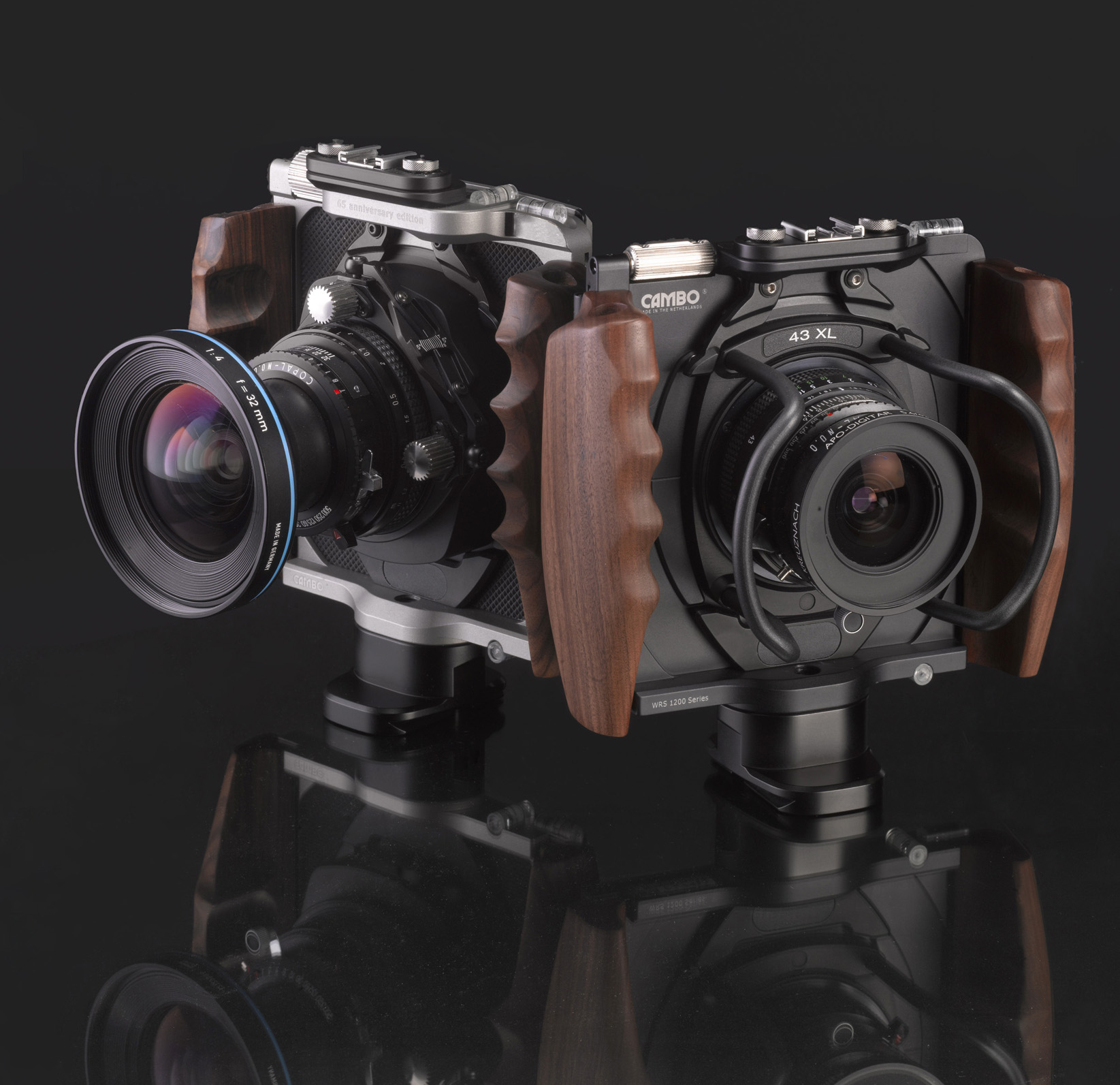
Cambo and pancakes go a long time back. And no, we’re not referring to pancake lenses. This is about technical cameras.
The view-camera-without-a-bellows often simply called Pancake Camera. Our current line of WRS tech cams has many predecessors.
A long time back actually means 1968. Looking at this first attempt’s picture probably explains where this type of camera got its nickname from. Strictly speaking the first Cambo Wide wasn’t a technical camera. As opposed to later models, this one had no integrated shift movements. It was a Large Format camera though. Its slim form factor was an absolute necessity and its reason of existence.
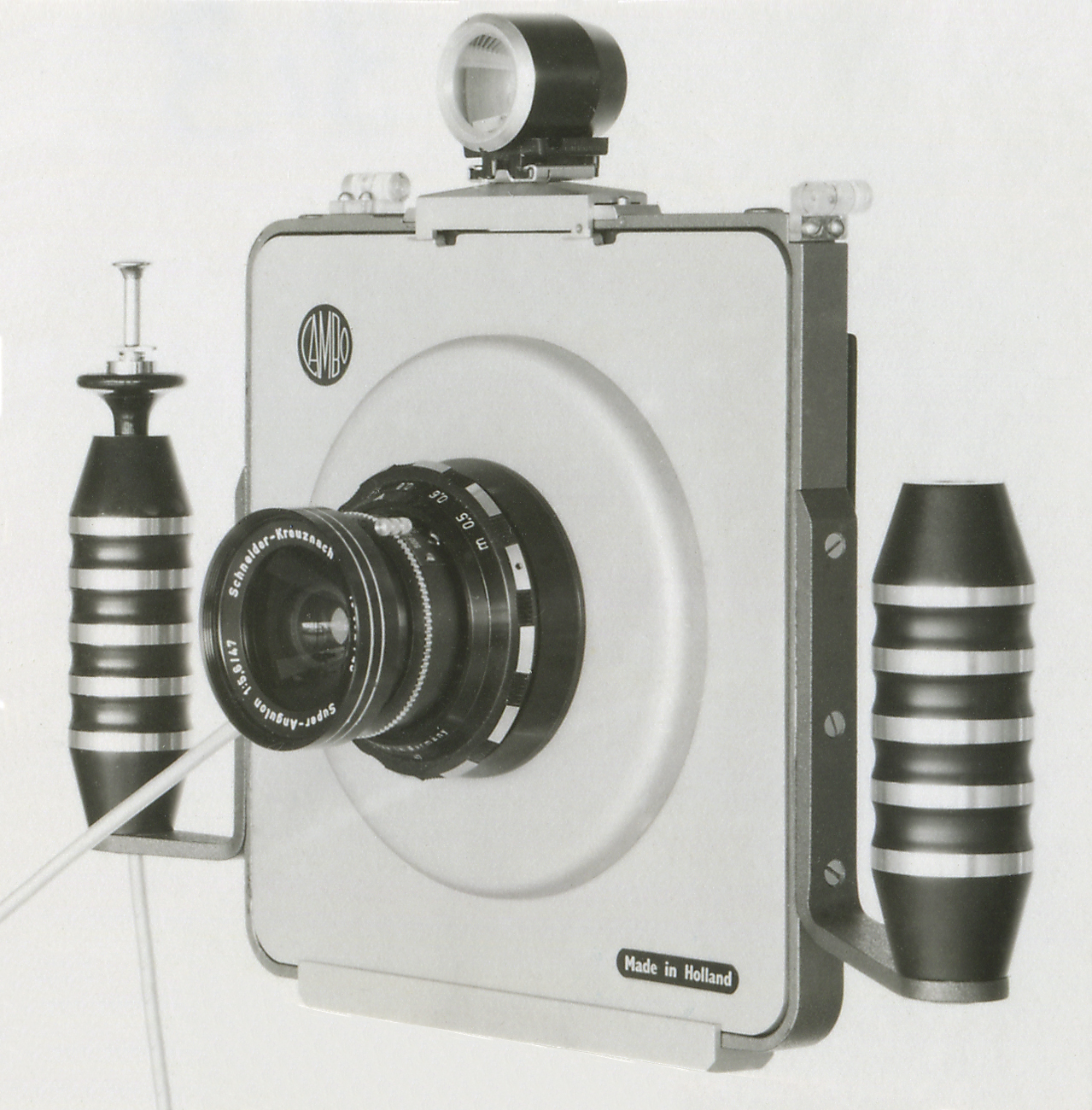
At the time 4×5” was the commonly used film size in commercial photography. Most studio photographers were using a traditional view camera. The ones with bellows. A construction that – literally – provides the necessary flexibility between front and rear standard needed to apply camera movements. The movements we call Rise/Fall, Shift, Tilt and Swing. Whereas most cameras use a helical focusing mount, the view camera is focused by varying the distance between front and rear standard. The bellows needs to bridge that gap. Focal length and magnification determine the required extension. Moving the camera closer to the object requires more extension. The shorter the focal length, the less extension it requires. Which leads us to the pancake camera.
In a studio environment the average 4×5” shooter would use lenses longer than 150mm. For tabletop photography a 210 or 240 was often preferred. At these focal lengths a view camera has a relatively comfortable bellows extension. Focusing it – even under a dark cloth – is something you easily get used to.
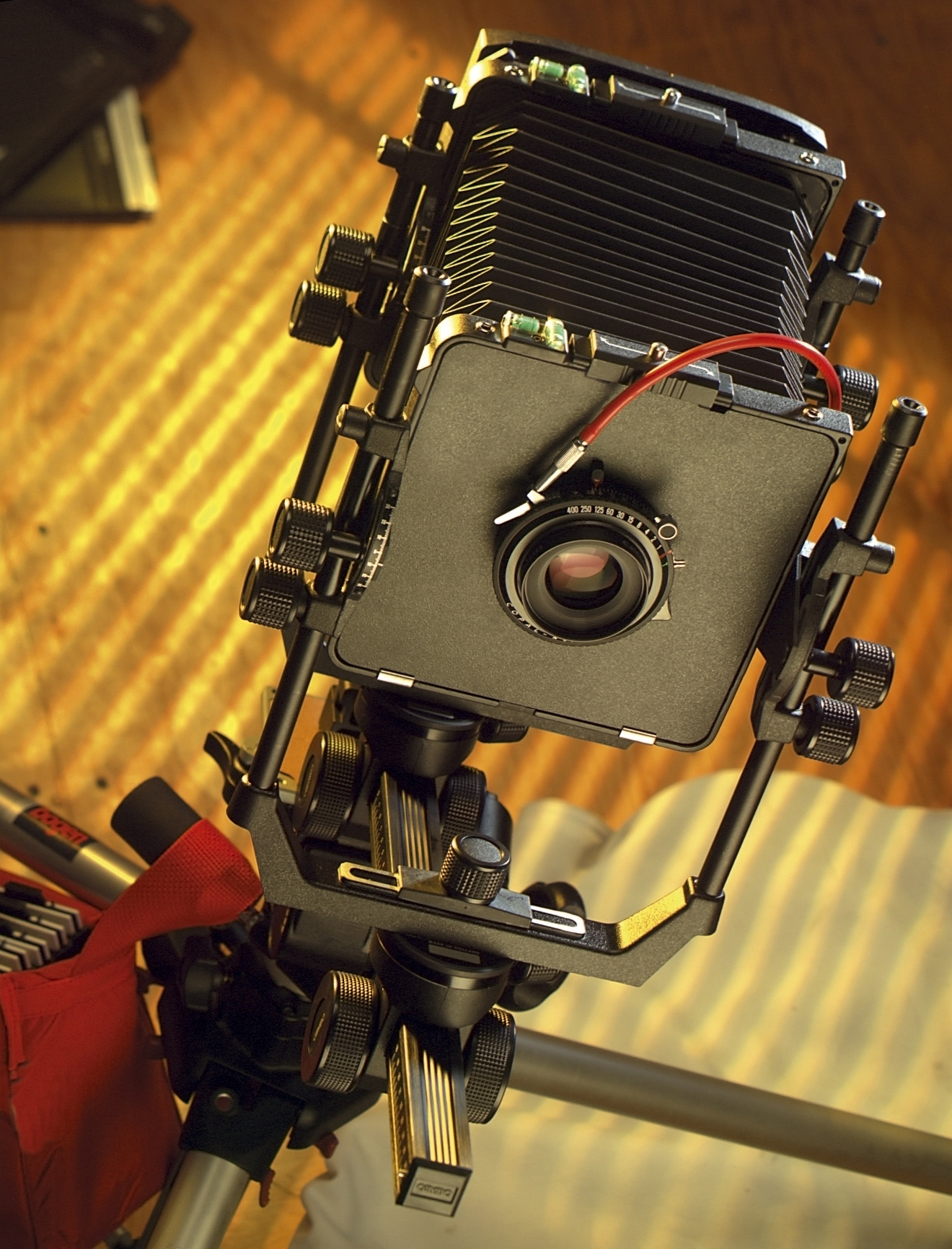
However, the average architectural photographer had a hard time when working for a client who demanded 4×5” instead of medium or smaller formats. When used with the short focal lengths often required in architectural photography the traditional view camera would become a pretty cumbersome tool. To focus a wide angle to infinity – think a 47 or 65mm lens for this film size – front and rear standard need to be pretty close together and the bellows tightly compressed. This leads to massive light fall-off. Outside of the image centre the ground glass will be really dark and focusing is challenging. To make matters worse the required focus increments are a lot smaller compared to what’s needed when focusing a longer lens. Making it harder to nail it. Even without offering any shift movements that first Wide camera wasn’t such a bad idea. Instead of a bellows it had a “regular” helical focusing mount. The image projected at the ground glass obviously wasn’t any better, but at least the lens was easy enough to focus. The relatively compact form factor also made it an attractive option for architectural and industrial photographers. Still, it lacked shift. That was a serious omission.
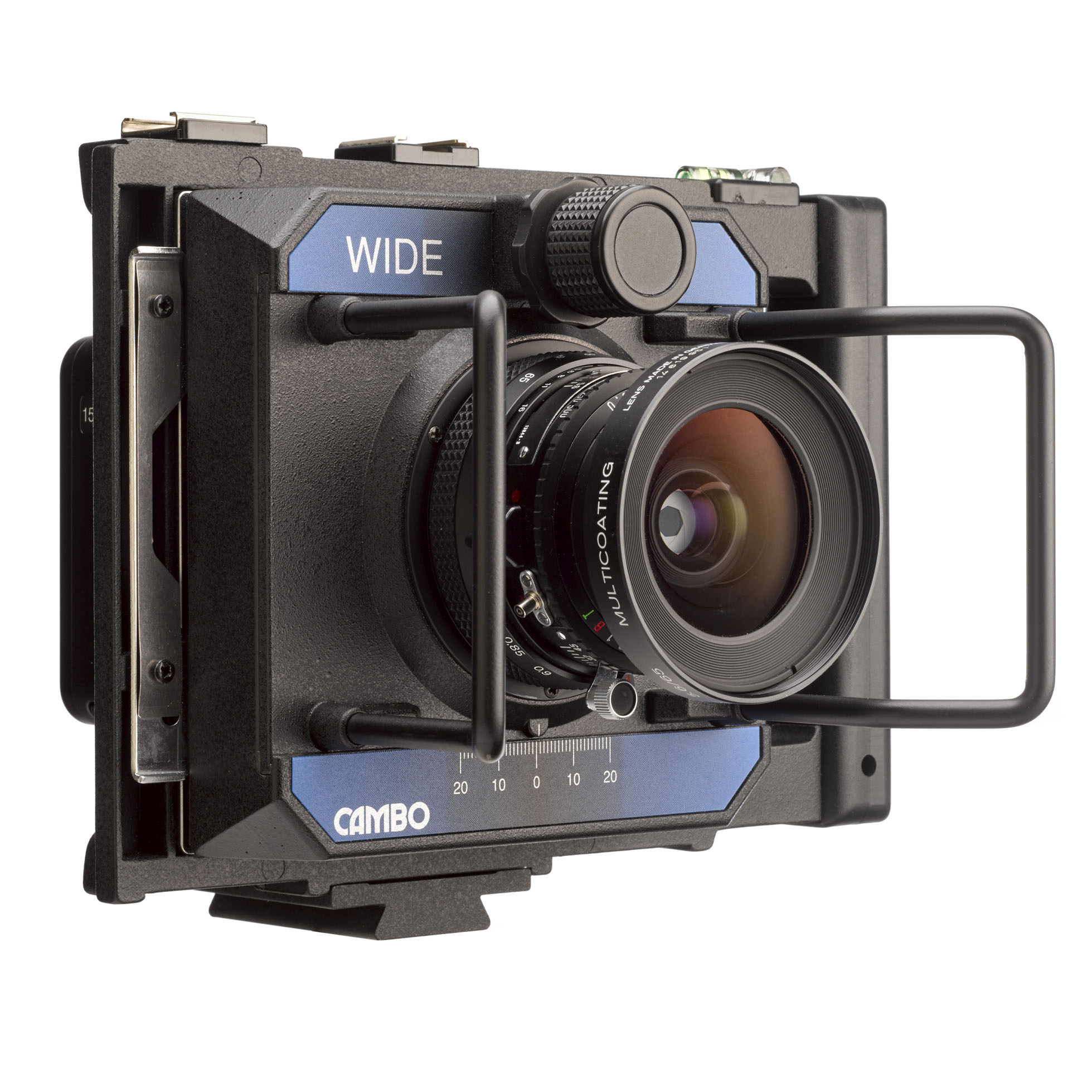
Enter the next Cambo Wide. In 1976 the Wide 470 and Wide 650 were introduced. The numbers refer to the focal lengths of 47 and 65mm respectively. Other lenses were added later. All by Schneider Kreuznach. These cameras still enjoy a certain popularity among photographers who love to shoot large format outside the studio. In this Blog Darlene Almeda shares why and how she uses her Cambo Wide camera. This model was our first pancake camera with integrated shift movements. By changing the orientation of the lens cone it offers either horizontal or vertical shift. An invaluable asset for architectural shooters. Thanks to this model the pancake camera became a welcome addition to the tool kit of many architectural photographers. Combine that with its relatively simple and robust construction and it’s understandable that there are still many around. It’s simply a fun camera to use. If you’re into large format photography on-location you may try to find one. We don’t have any new ones left.
WDS stands for Wide Double Shift. Which is exactly what the Wide’s successor offers. This technical camera, introduced in 2000, features Rise and Fall at the lens side and Shift at the rear. It’s definitely a robust no-nonsense workhorse. Not as compact as its predecessor, but offering generous amounts of shift. Horizontal shift is 20/20mm, Fall 20mm and Rise no-less than 40mm. The latter tells you that is was primarily aimed at architectural photographers. Among the many pre-owned ones around you’ll find two versions. Early ones came with a Graflock ground glass back for use with 4×5” film cassettes. A version for digital backs was added a few years later. In hindsight we may say this was a transitional period for professional photography. Some photographers embraced the new technique and never looked back, others adopted a hybrid workflow. They continued to shoot film and relied on scanning to offer their clients the requested digital files. The digital sensors being so much smaller than the analogue film size required new lenses. Due to the short Flange Focal Distance of these new wide angle lenses the lens panels of the analogue WDS aren’t compatible with the later models and vice versa.
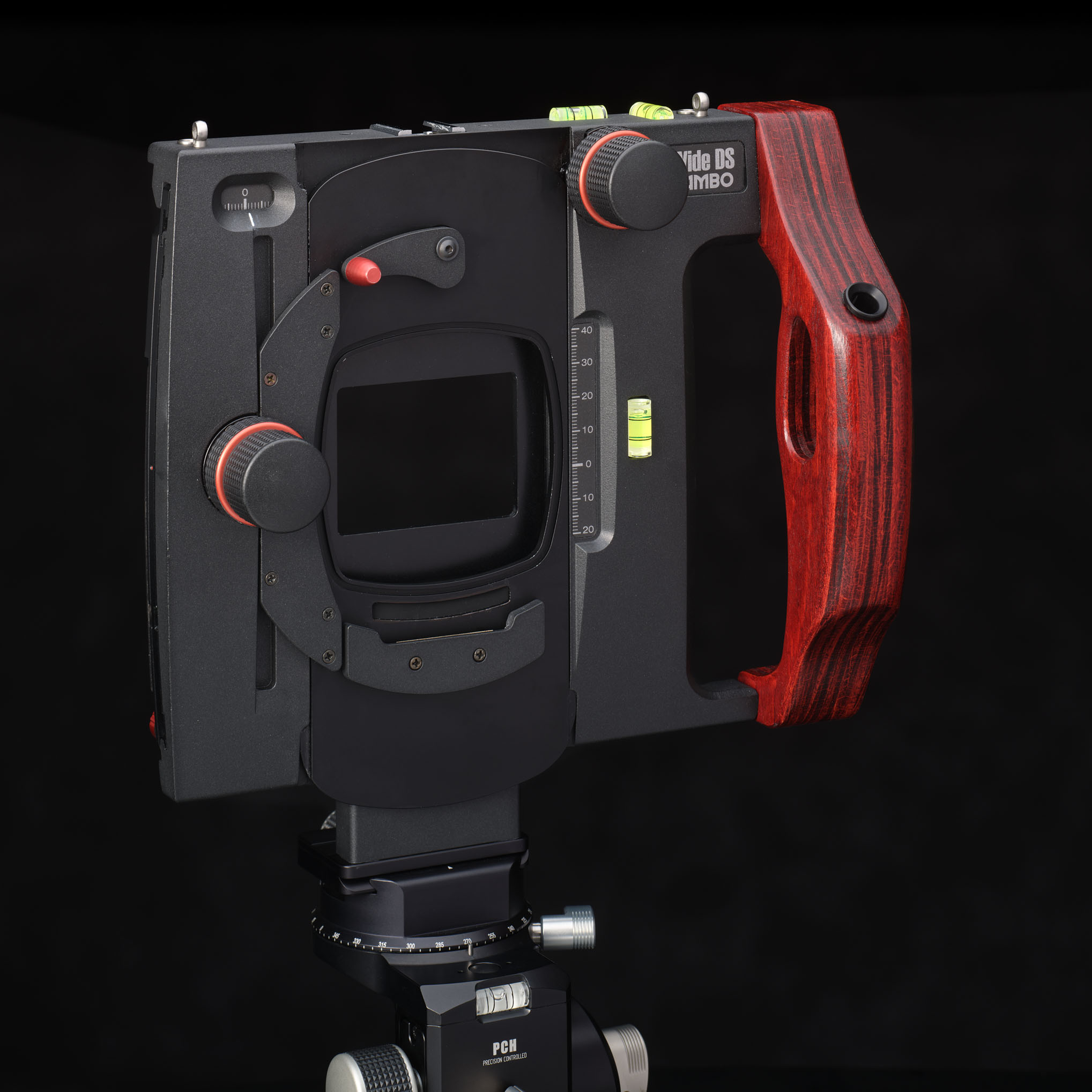
The WDS in this photo is one for use with digital lens panels. This particular one is even compatible with the Phase One XT’s lens panels. The owner had a cavity machined into the lens mount to avoid stress onto the electronical contact pins of his X-Shutter lens panels
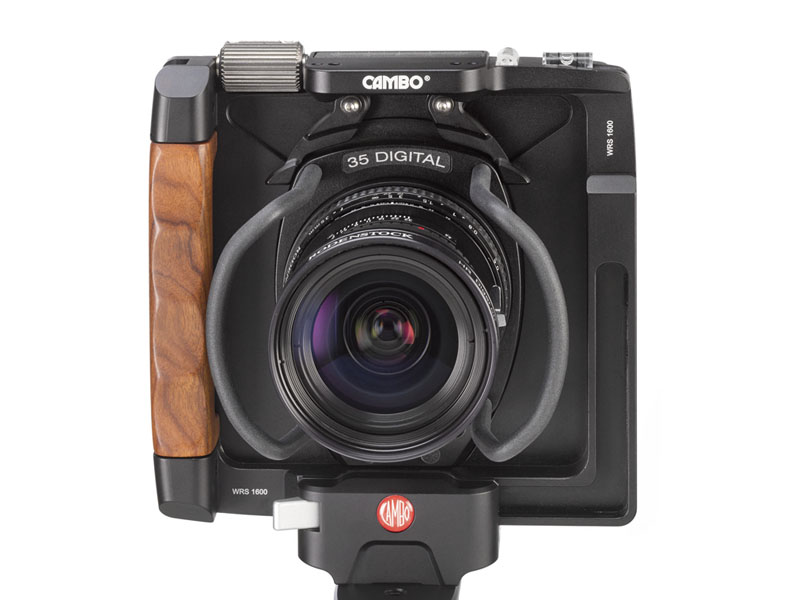
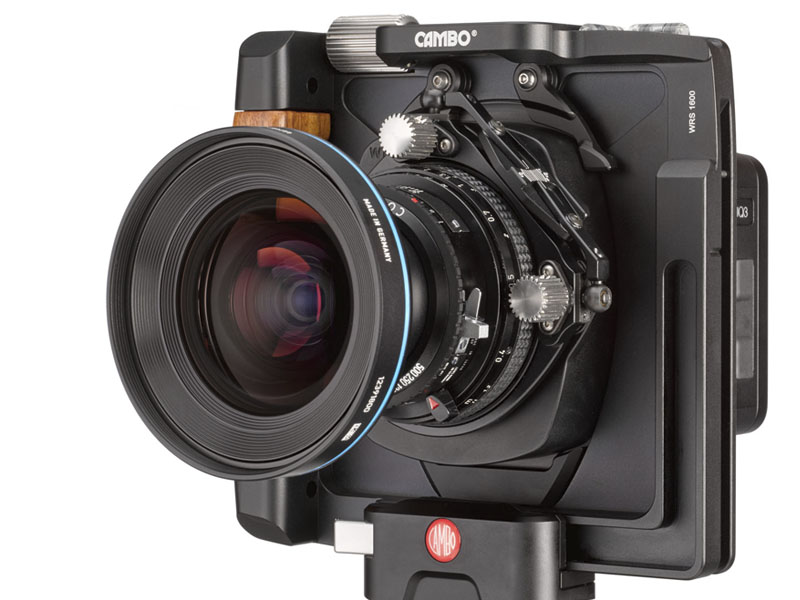
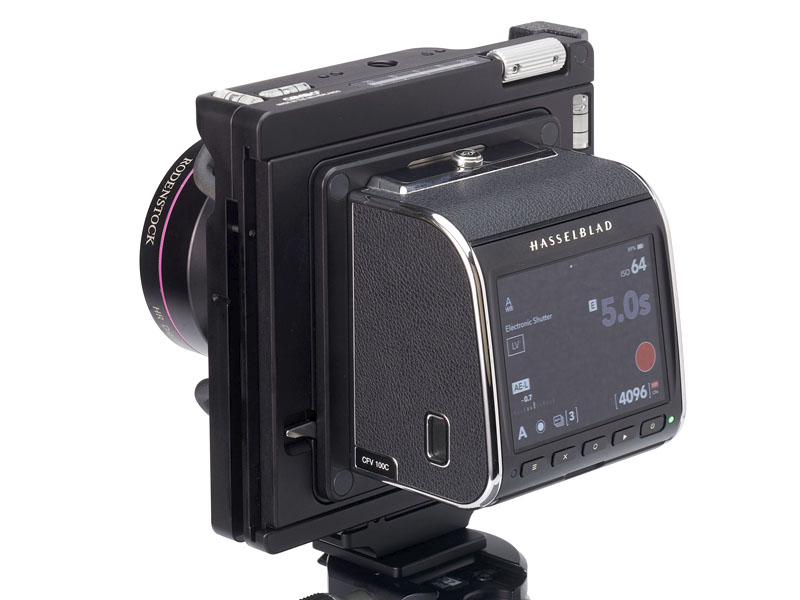
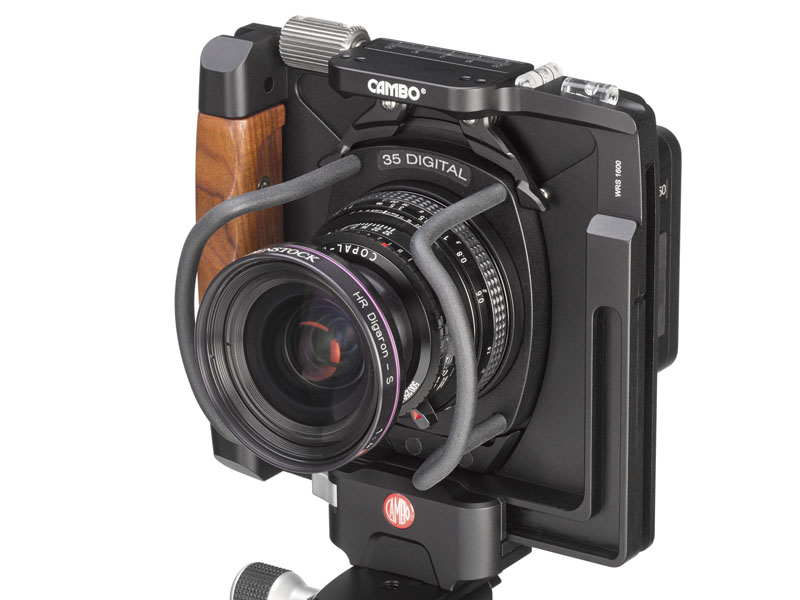
From Wide Double Shift we went to Wide Rear Shift. The WRS cameras are all designed exclusively for use with digital backs. No technical camera is easier to pack than these compact models. The body offers all shift movements the architectural photographer may need. If desired, we can add Tilt and Swing to the lens panel. At least with most lenses. Especially Tilt is a viable asset in landscape photography. The Cambo WRS cameras are compatible with all Schneider Digitar and Rodenstock Digaron lenses. A unique Cambo service is what we call retrofitting. Many existing lenses can be fitted into a helical focusing mount on a WRS lens plate. Since we manufacture our own helicals we can also offer this service for lenses that were discontinued a long time ago.
Nowadays new Rodenstock lenses are available in Aperture Mount or with Phase One X-Shutter. The latter simplifies the handling of a tech cam significantly since the Phase One IQ4 back offers availability of Aperture and Shutter controls at your finger tips. Rodenstock’s current line of lenses range from 23 to 180mm. For photographers in need of a wider angle of view we may suggest our WRE-2019 lens.
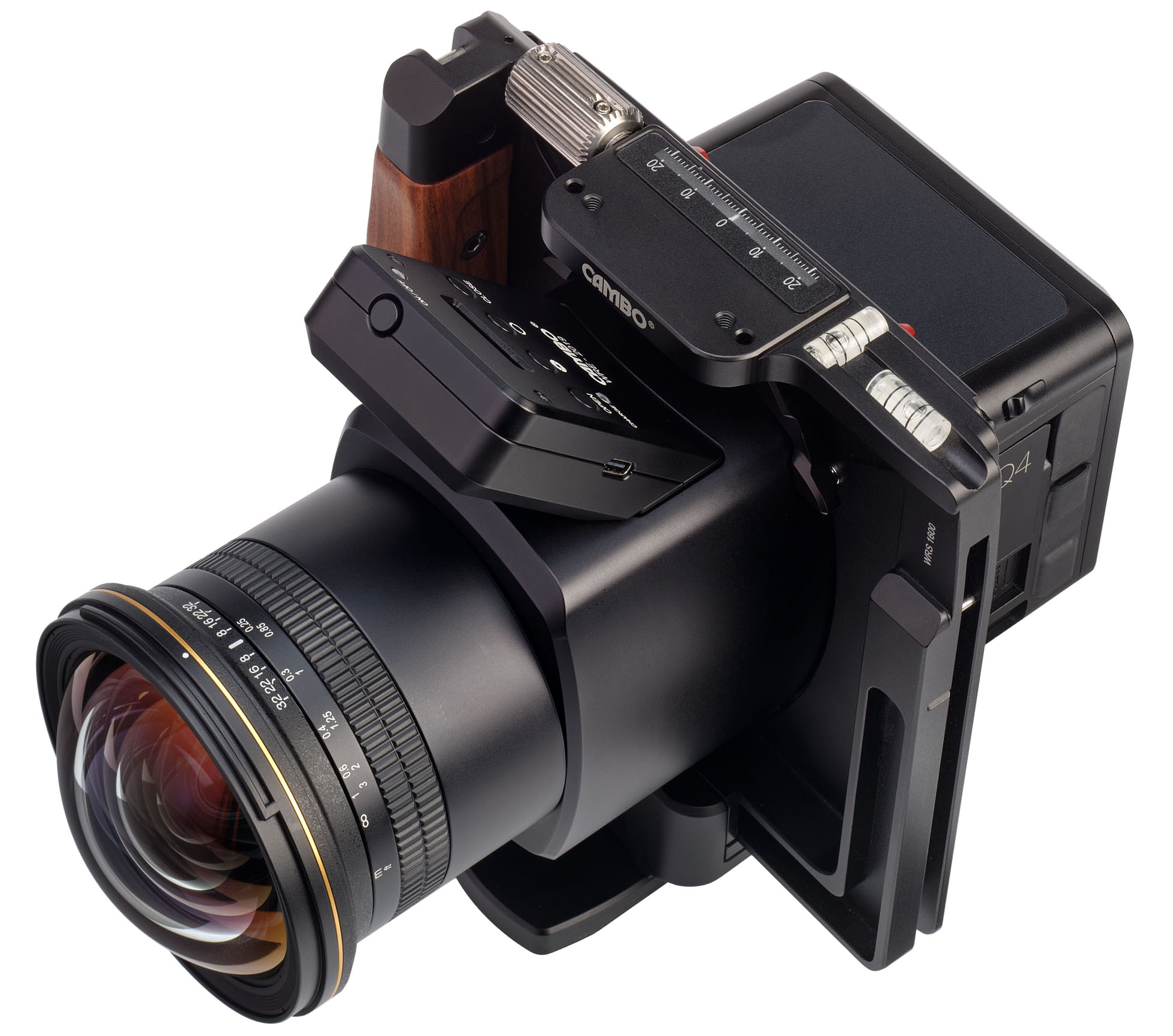
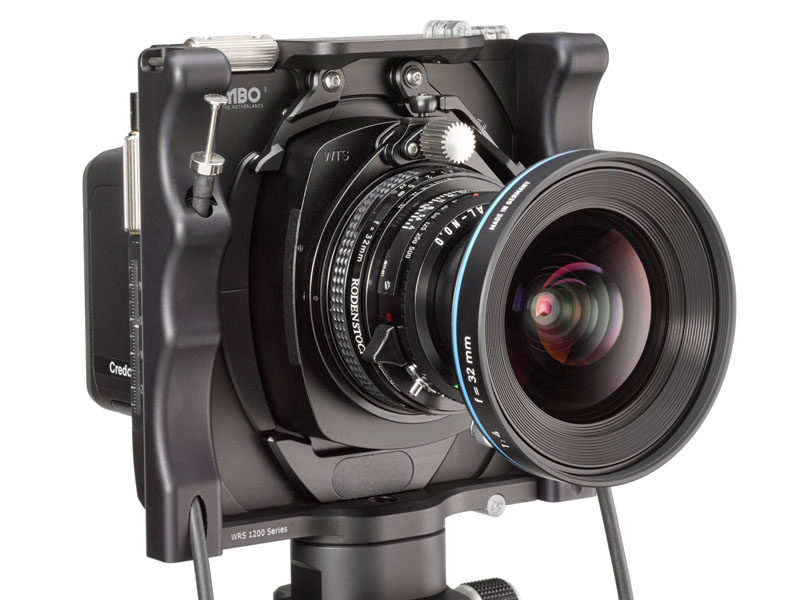
That first WRS evolved into an extensive line of cameras. We now offer a pancake to anyone’s taste.

