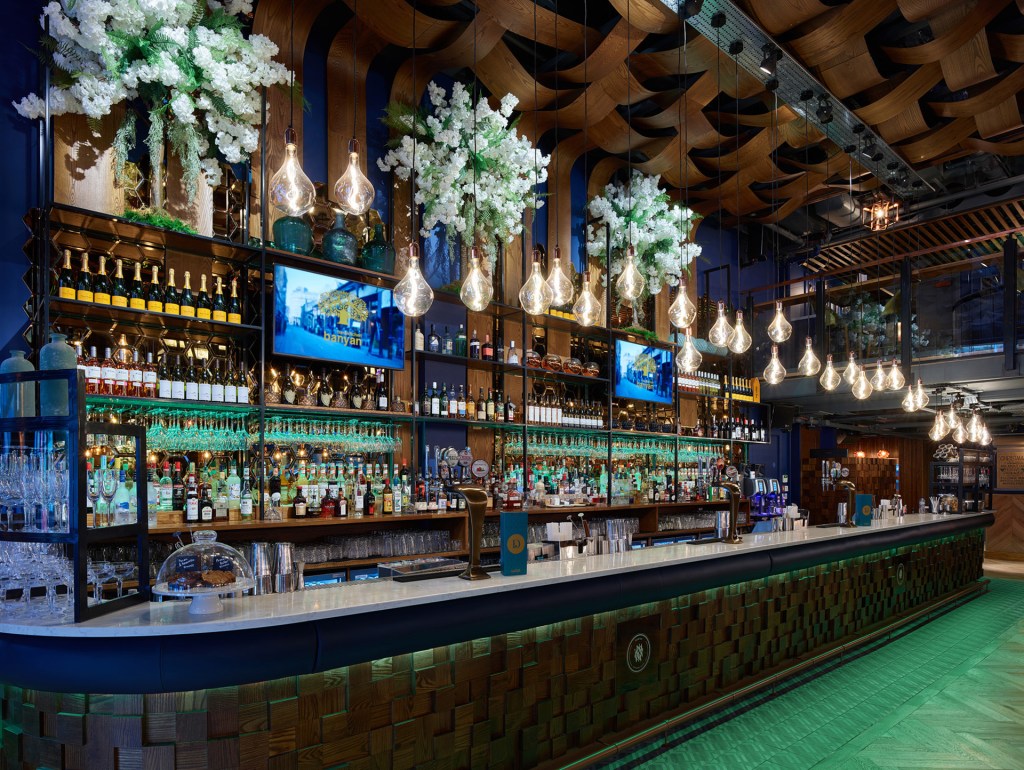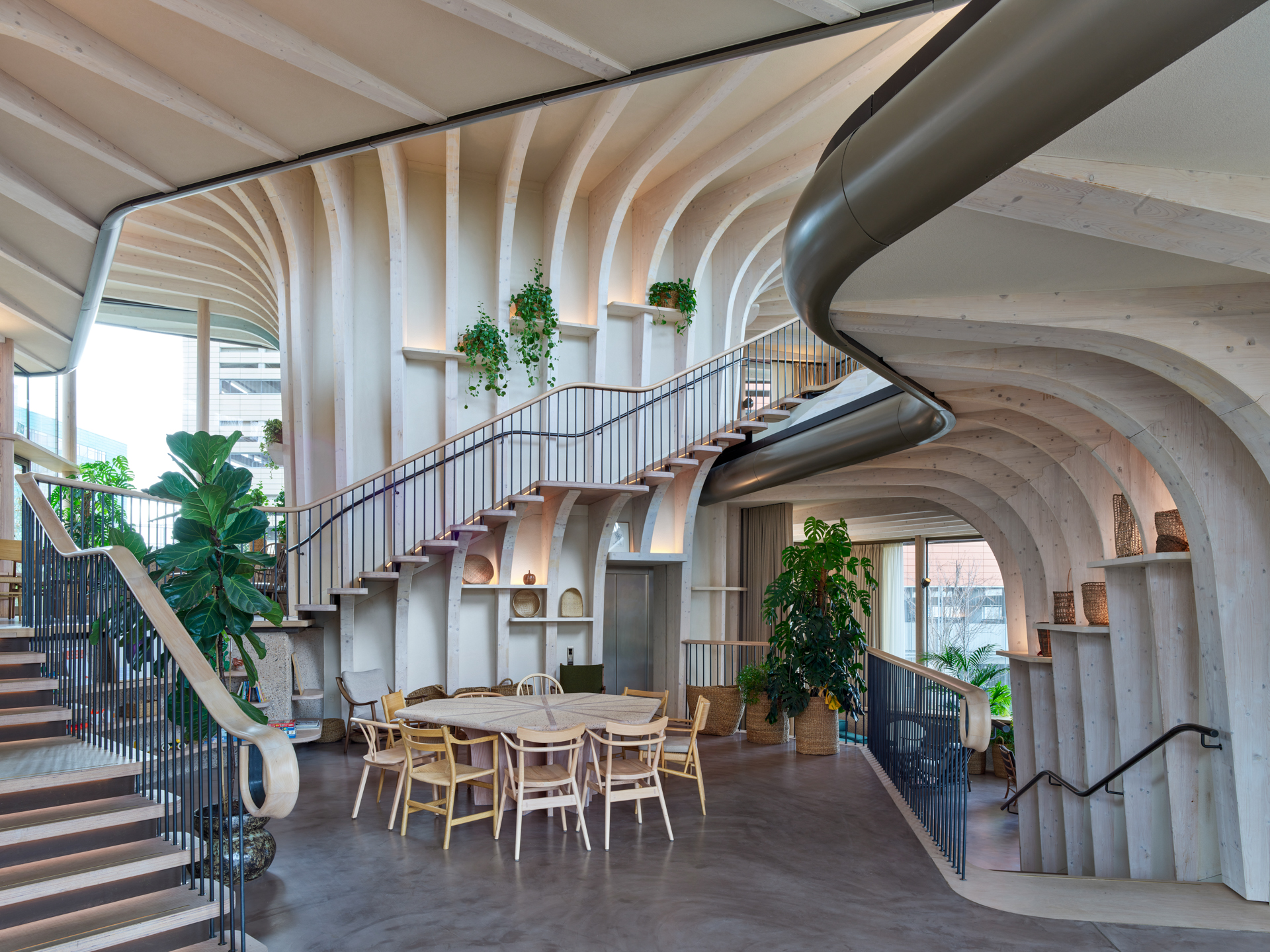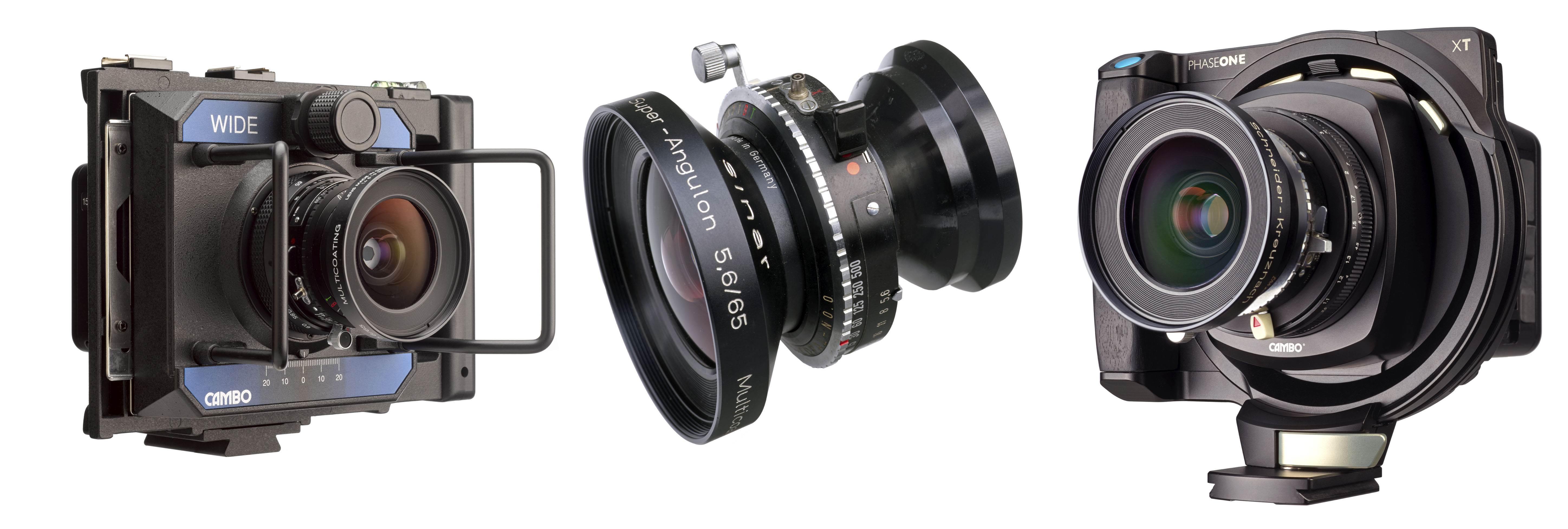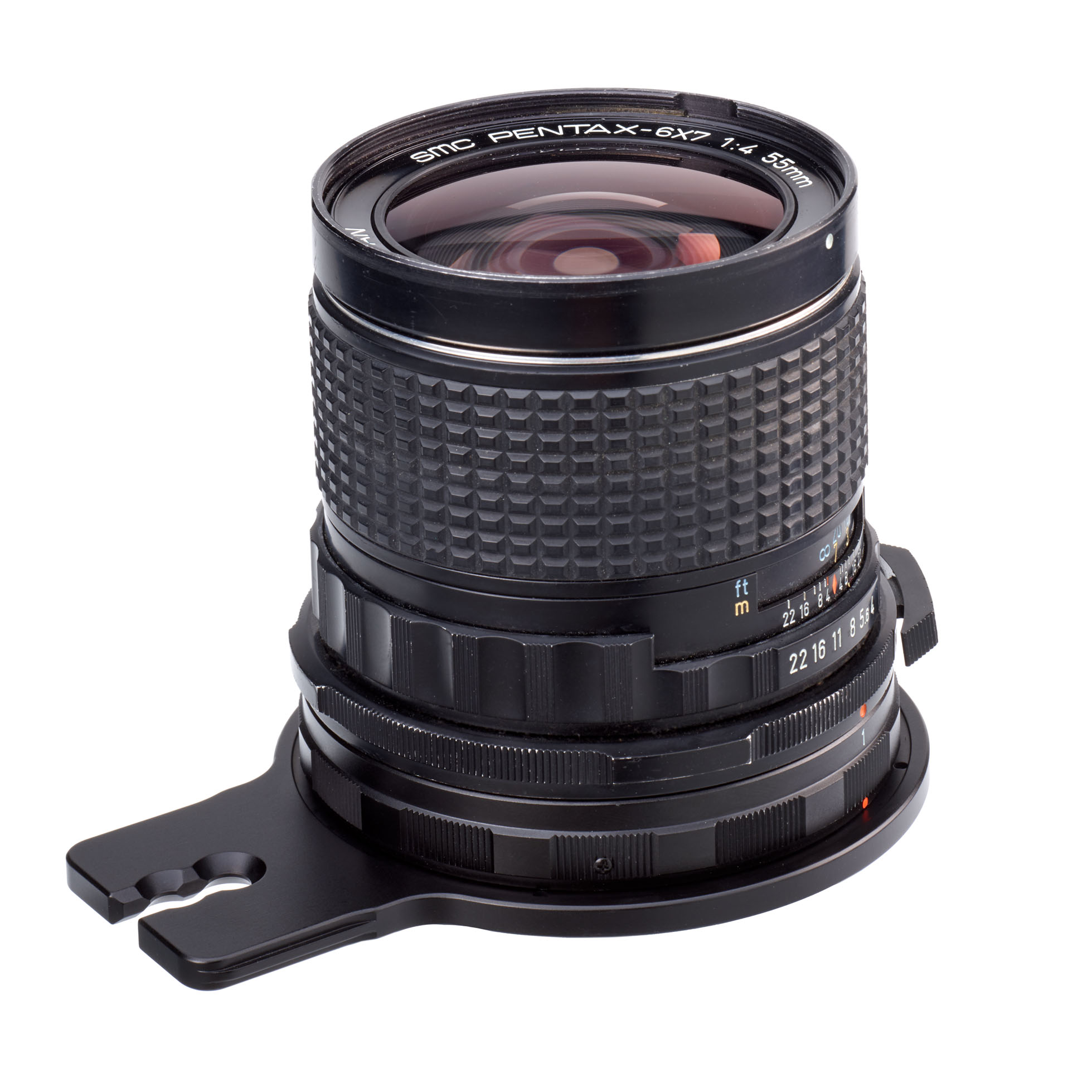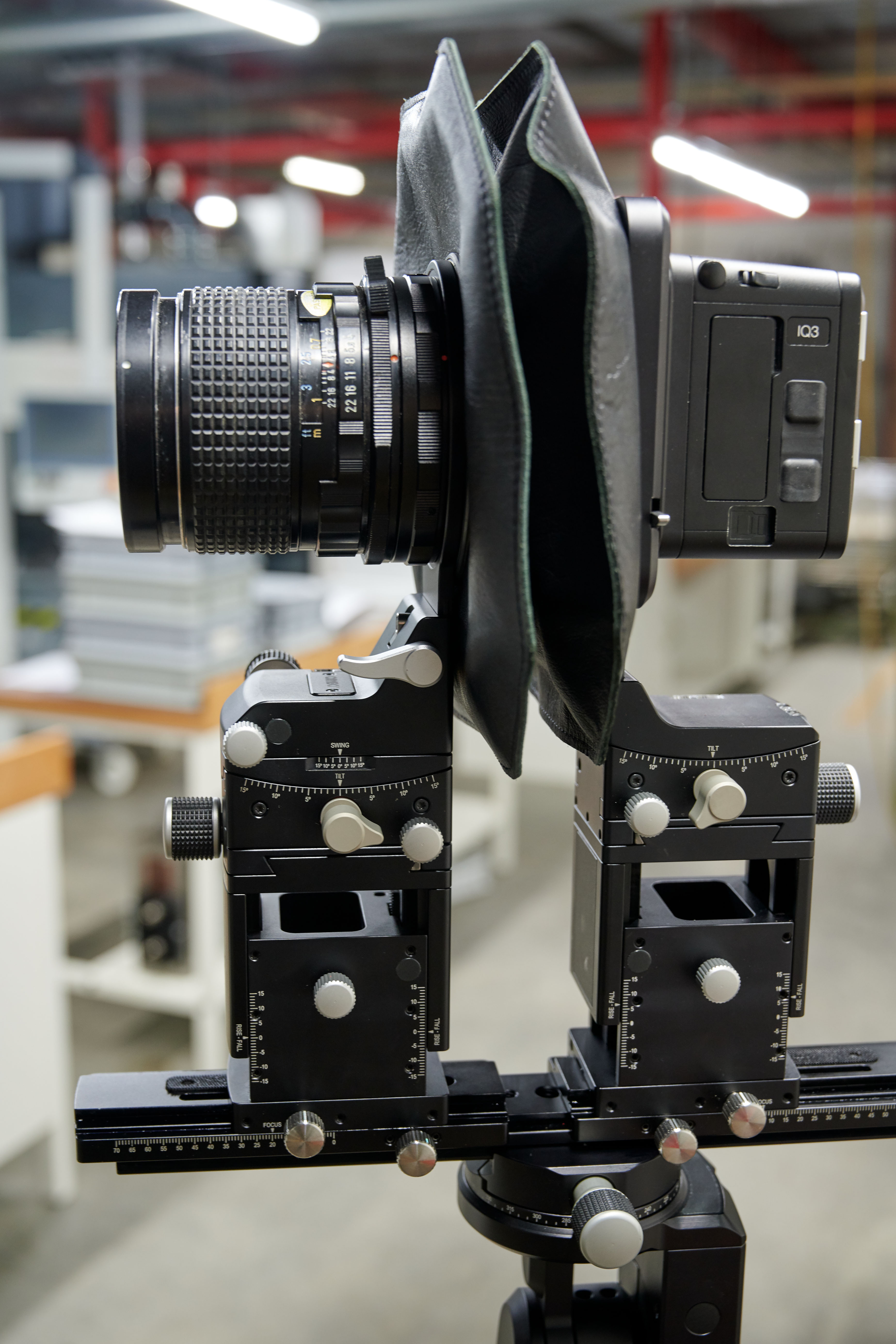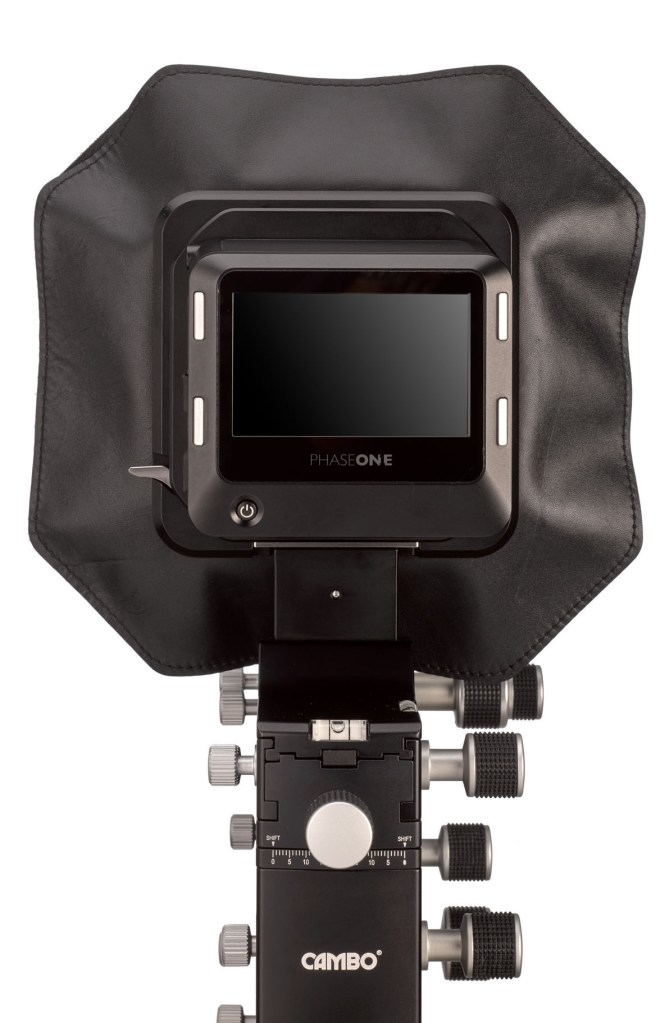
There’s No Secret Sauce

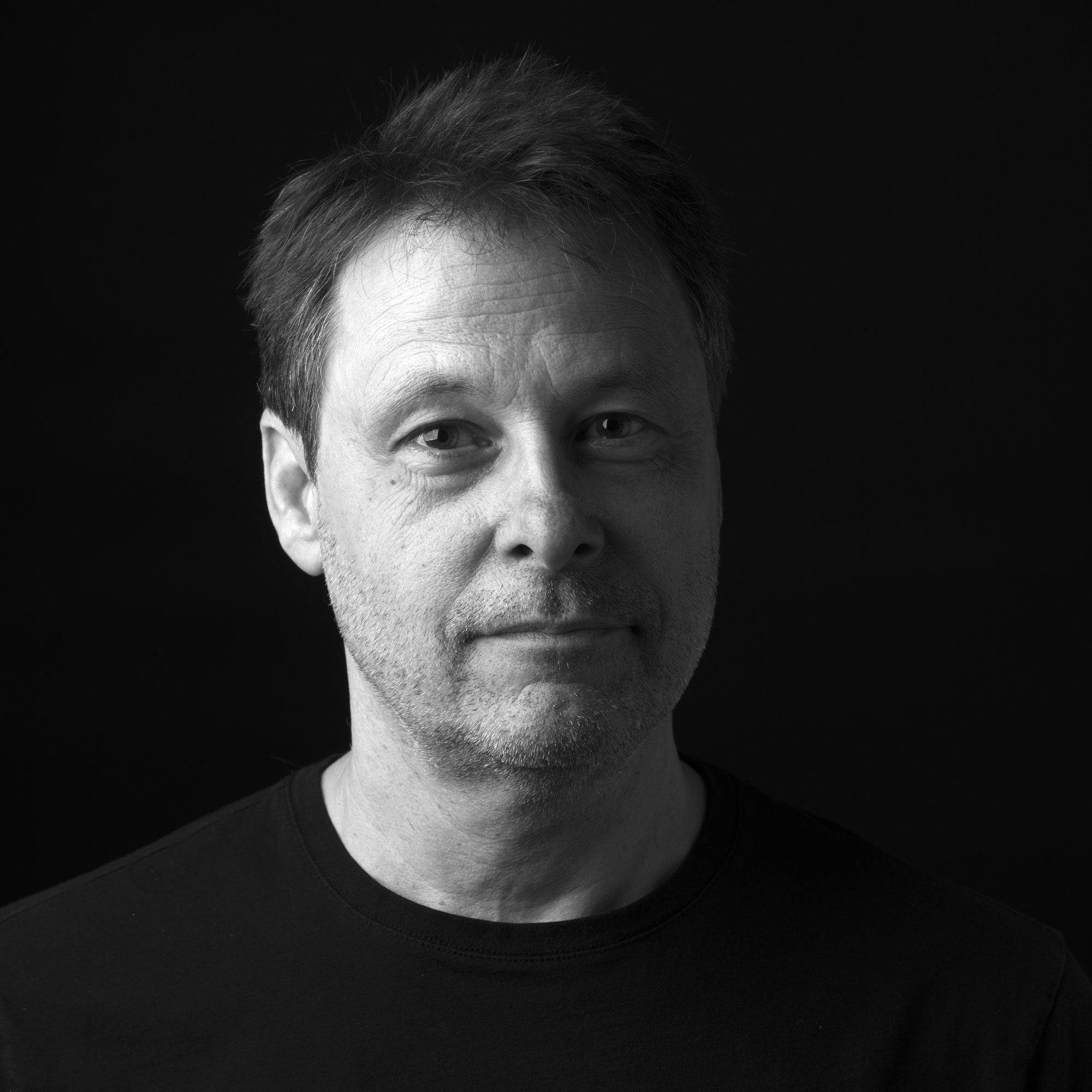
Marcel Boldú is what they call a “self-taught photographer”. In Venezuela, where he grew up, there were no specialized schools to teach you the tricks of the trade. The 1990s were challenging times to learn new skills; no YouTube tutorials, the few commercial photographers around were often reluctant to share their knowledge and shooting film made the learning curve even steeper. At least slower, compared to the digital workflow that enables you to review results in real-time. Marcel started as an assistant to a well-known fashion photographer. An exciting time, as he describes it, but after two years he decided to take the plunge and start as a commercial photographer.

Learning was a mix of experimentation and observation. Looking at magazines, analyzing composition and light and trying to replicate the result was the way to proceed. Before exposing the first roll of film, Marcel meticulously made notes of the position of the lights and modifiers and the output of each strobe. After the actual shoot he eagerly awaited the developed slide films. Examining transparencies on the light table was often a frustrating task, as the results rarely came close to what he had imagined. However, he still recalls the moments of intense joy when the photos exceeded his expectations.



“As I progressed, I became a passionate observer of light. I learned
that photography is a combination of vision, technique, and light, where light
is the secret ingredient.”

There’s no secret sauce for success, but hard work and perseverance are rewarded and Marcel became a successful commercial photographer, working for major agencies and cooperations in Venezuela. In 2016 he decided to move to Miami. Having a good portfolio and about 20 years of experience didn’t open many doors though. Marcel faced the need to understand and adapt to the colors and flavors of his new home country. “You’ve got to unlearn to learn”, as he would say.
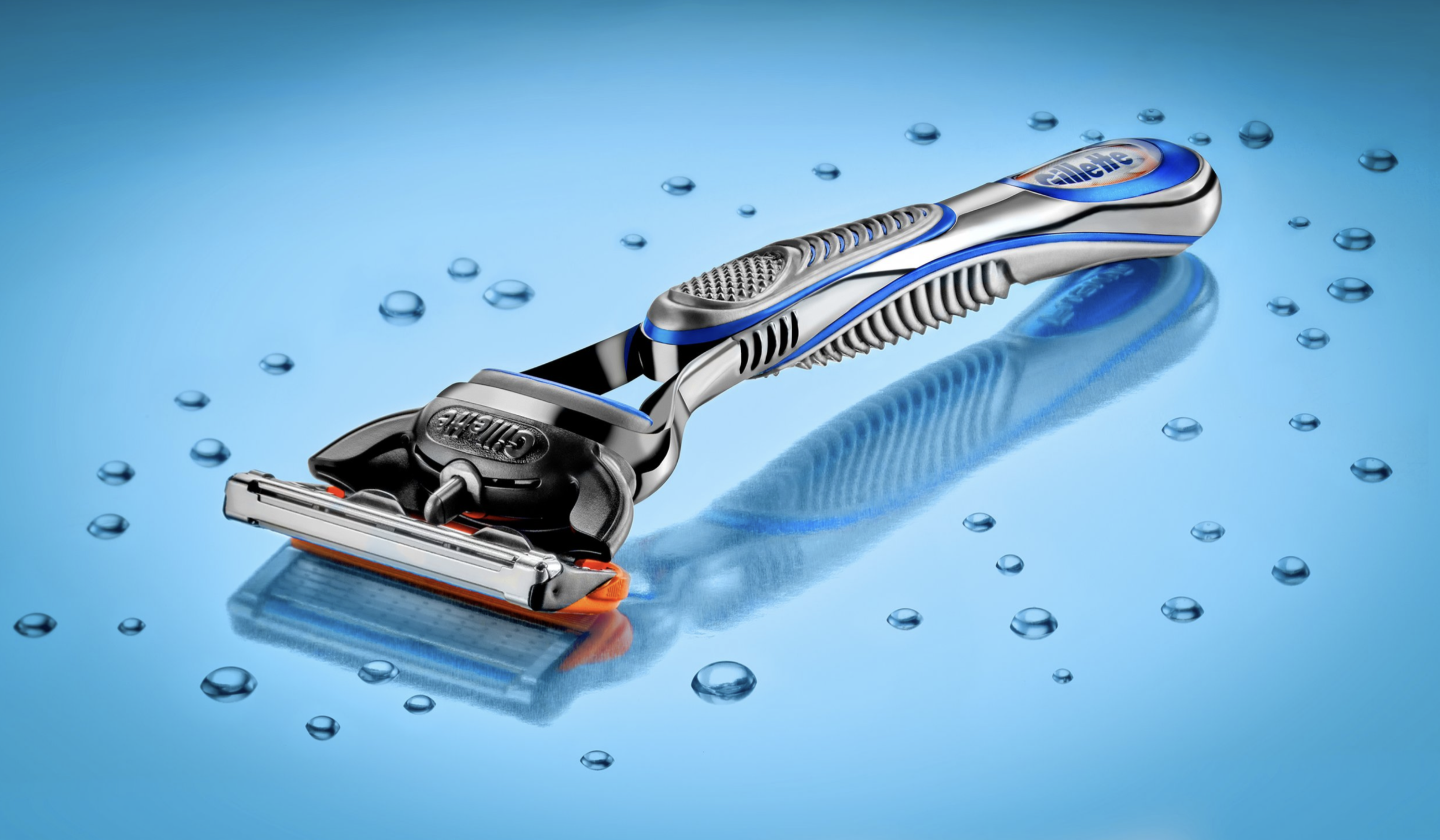
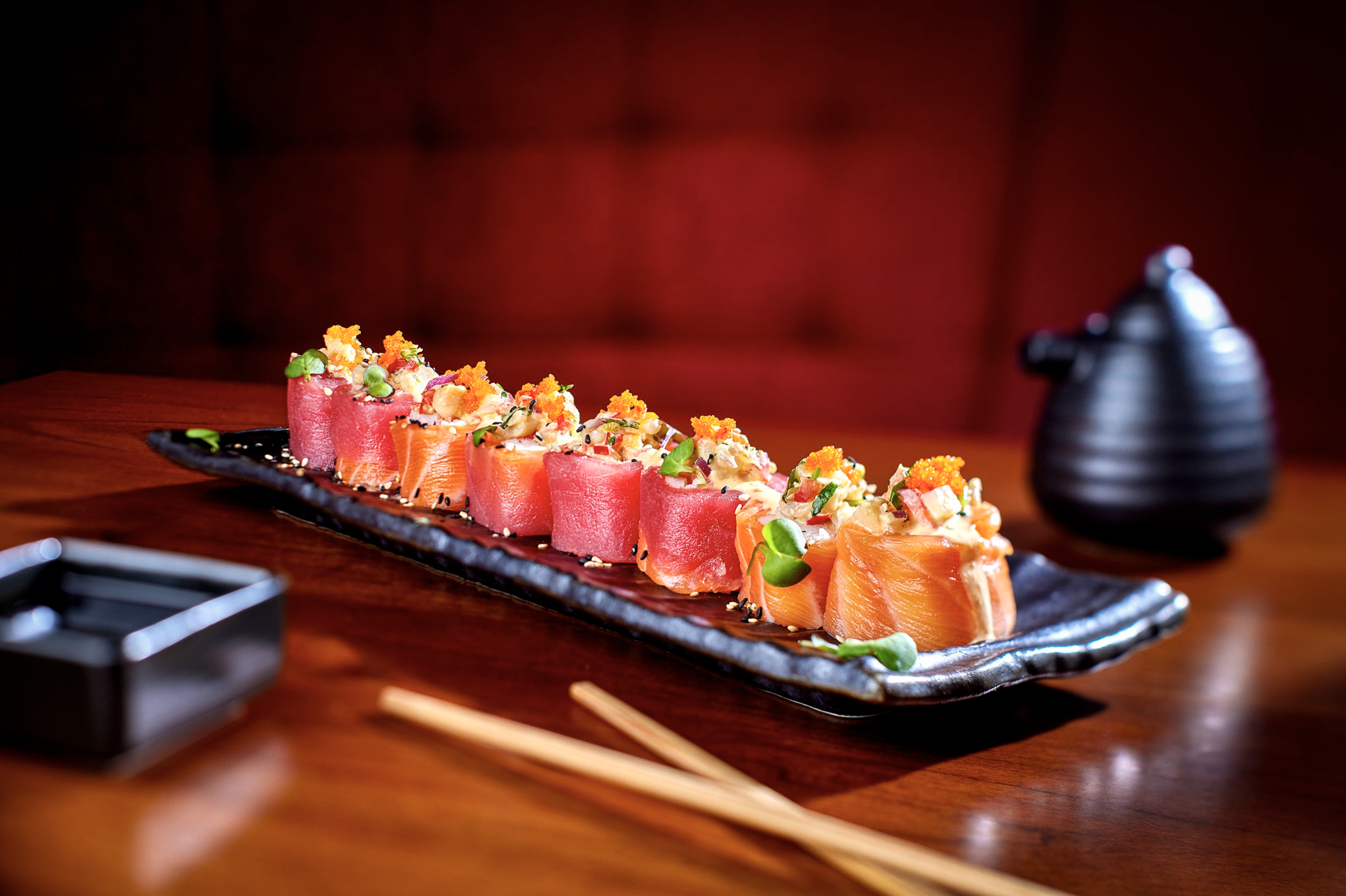
In a relatively small market like Venezuela a photographer needs to be versatile in order to survive. As a commercial photographer Marcel Boldú can photograph everything. From small objects to cars and from food to lifestyle.The US however, is a highly specialized market. This market responded very positively to his style and approach of food photography. Nowadays about 80% of his assignments are food related.

“Throughout my nearly 30 years of career, I’ve had the privilege of collaborating with highly experienced and talented creatives and agencies”. The assistants and prop stylists working alongside Marcel have become regulars on set and reward his loyalty by frequently exceeding his expectations. When Marcel tells us about his first foray into the world of motion pictures  – nowadays he’s a Director and DOP as well – he doesn’t hesitate either to give credit to those who were important to him when taking on that new challenge.

In 2009 Marcel Boldú was offered the opportunity to direct a television commercial for a Down Syndrome support institution. It enabled him to work alongside the renowned Hungarian DOP Gyula David. As his first serious AV production this turned out to be a pretty overwhelming experience. They worked with a big crew, shot Arri cameras – film, not digital – and used all the tools and tricks you can think of. The hard work paid off and the production won Silver at the ANDA Awards. This achievement was a decisive signal to Marcel to move forward and to expand his services. Please check out the motion section on his website to see more.
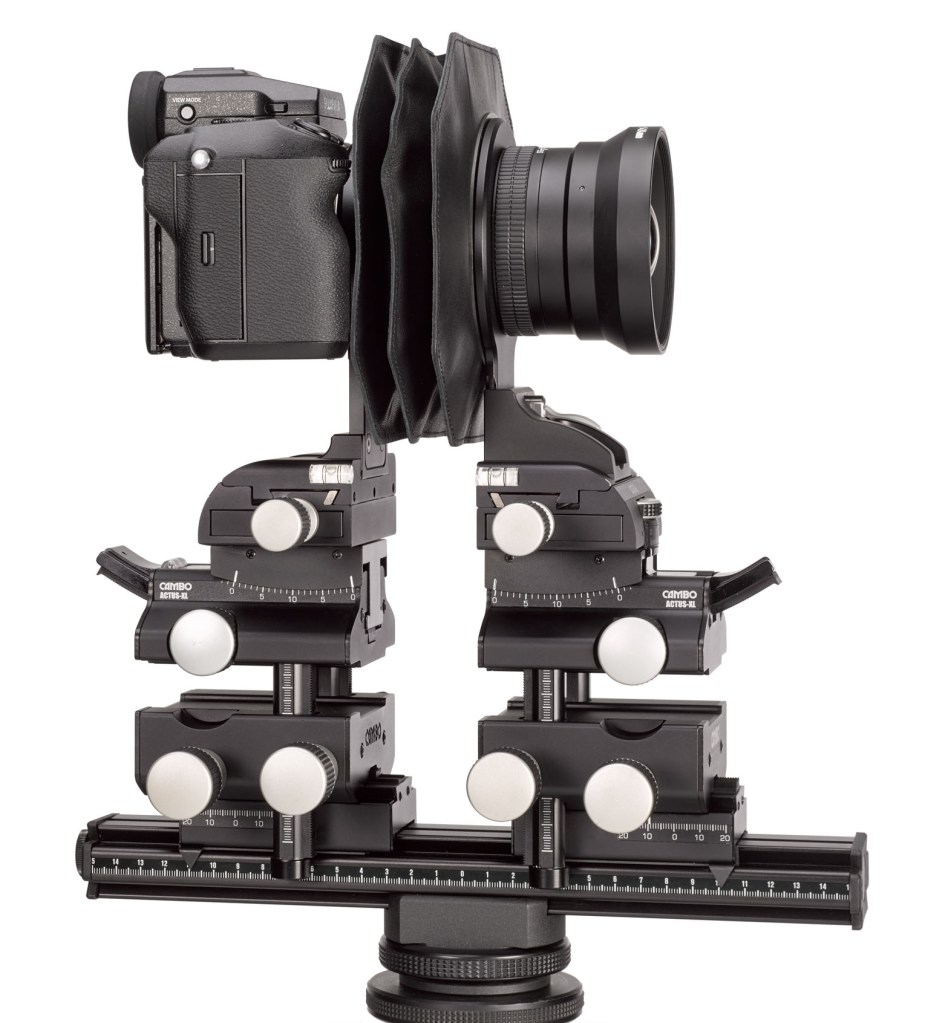
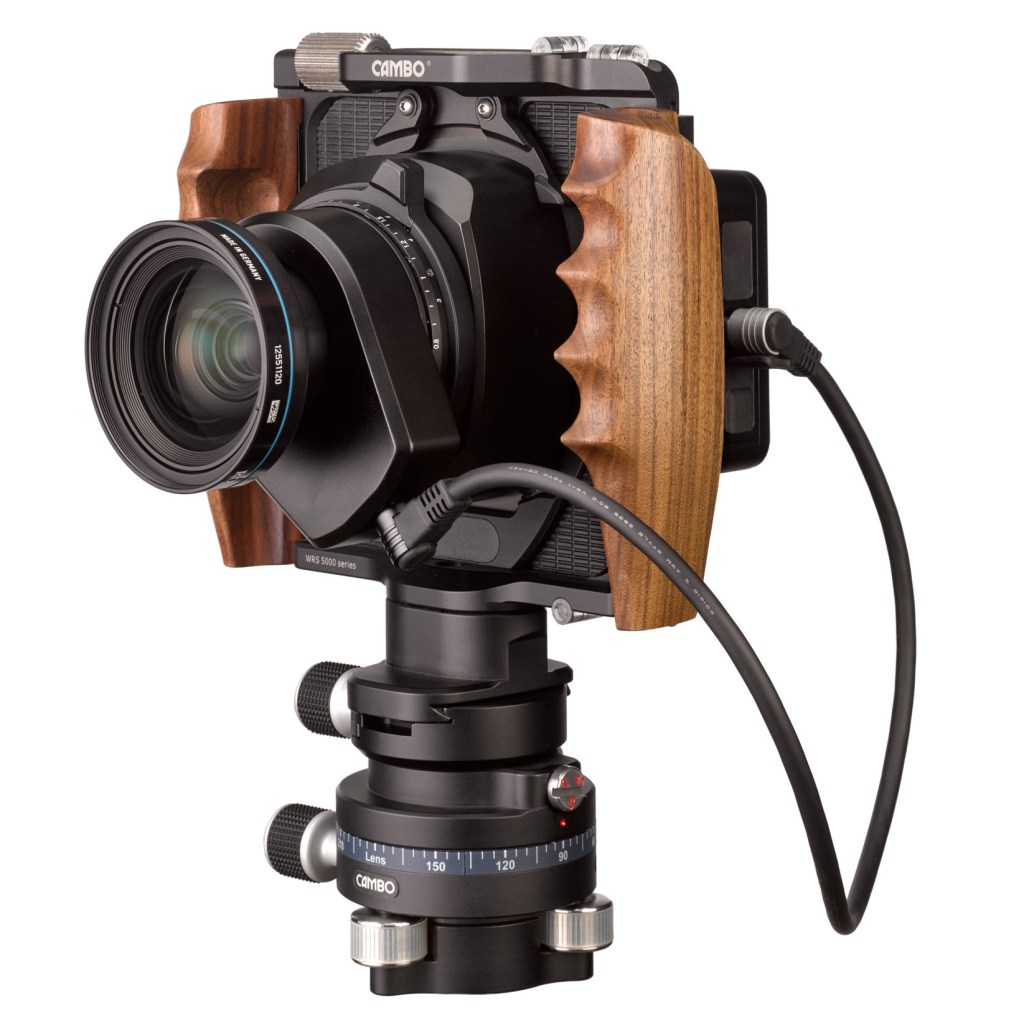
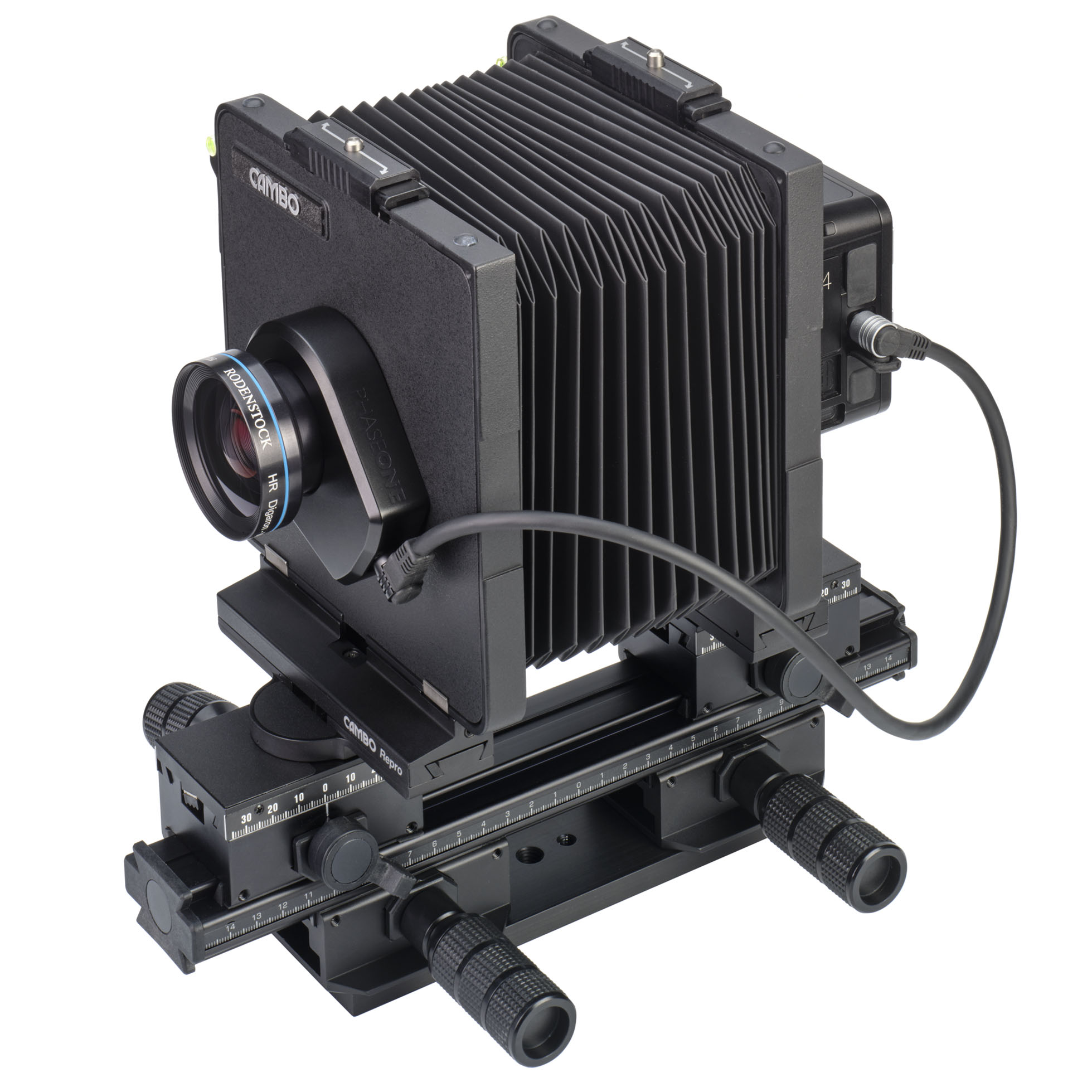
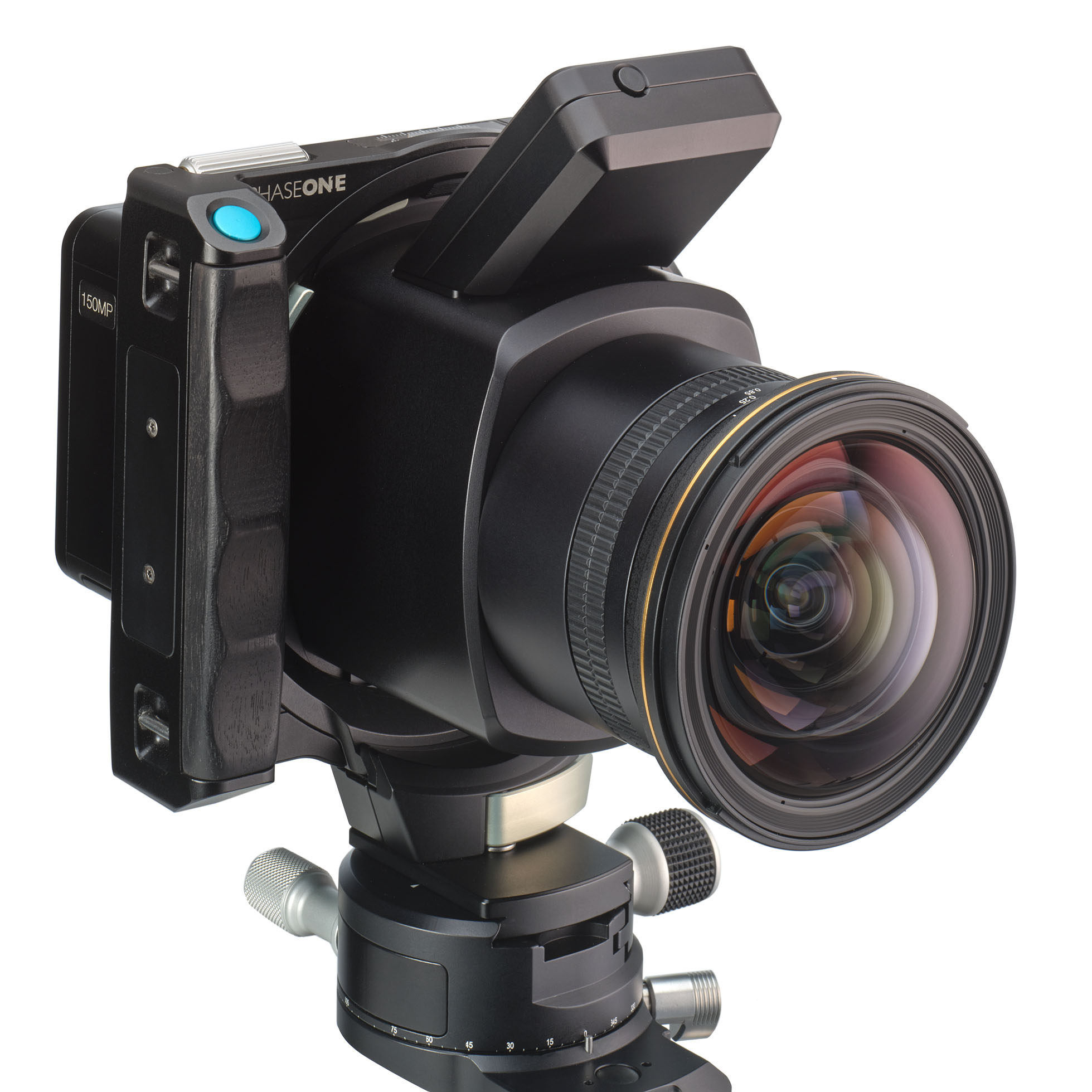
We admire Marcel’s Instagram posts. If you’re following him, you might have seen some behind-the-scene footage of Marcel working with his Cambo Actus-XL View Camera. It’s paired with a Fujifilm GFX and a full set of Actar lenses, ranging from 19 to 120mm. Using a view camera is a kind of anti-stress therapy stimulating his creativity. The versatility of the view camera, offering movements like tilt, shift and selective focus, greatly contributes to the image making process. Some things might be achievable in post, but there’s nothing like translating your vision into the final image in one single shot.
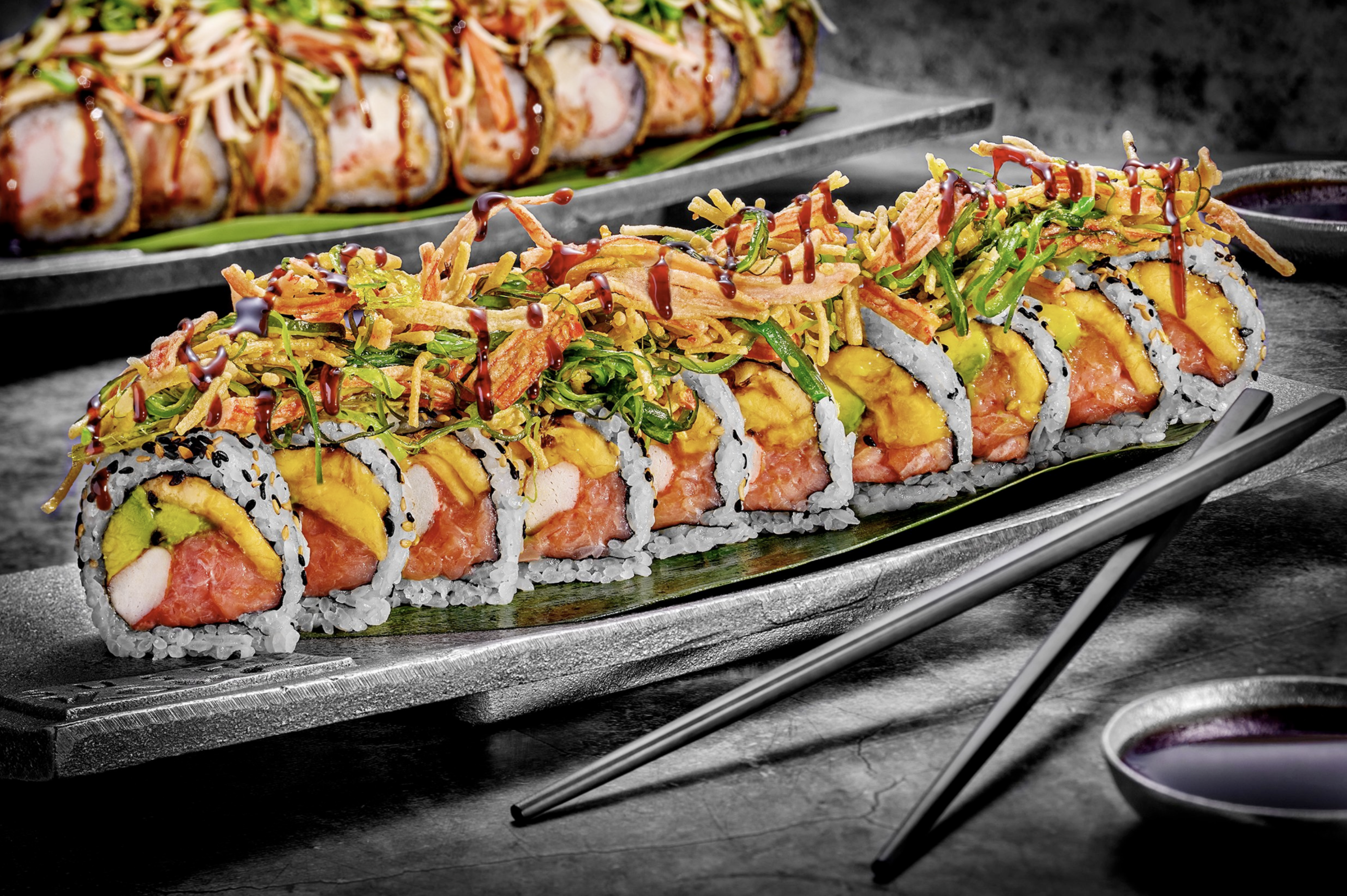
Visit Marcel Boldú’s website to see more of his work.
Posted in ACTUS, Cambo Ultima, food photography, General, Studio | Tagged , , , , , , | 1 Comment

Not the average Petrolhead

© Jonathan Taylor

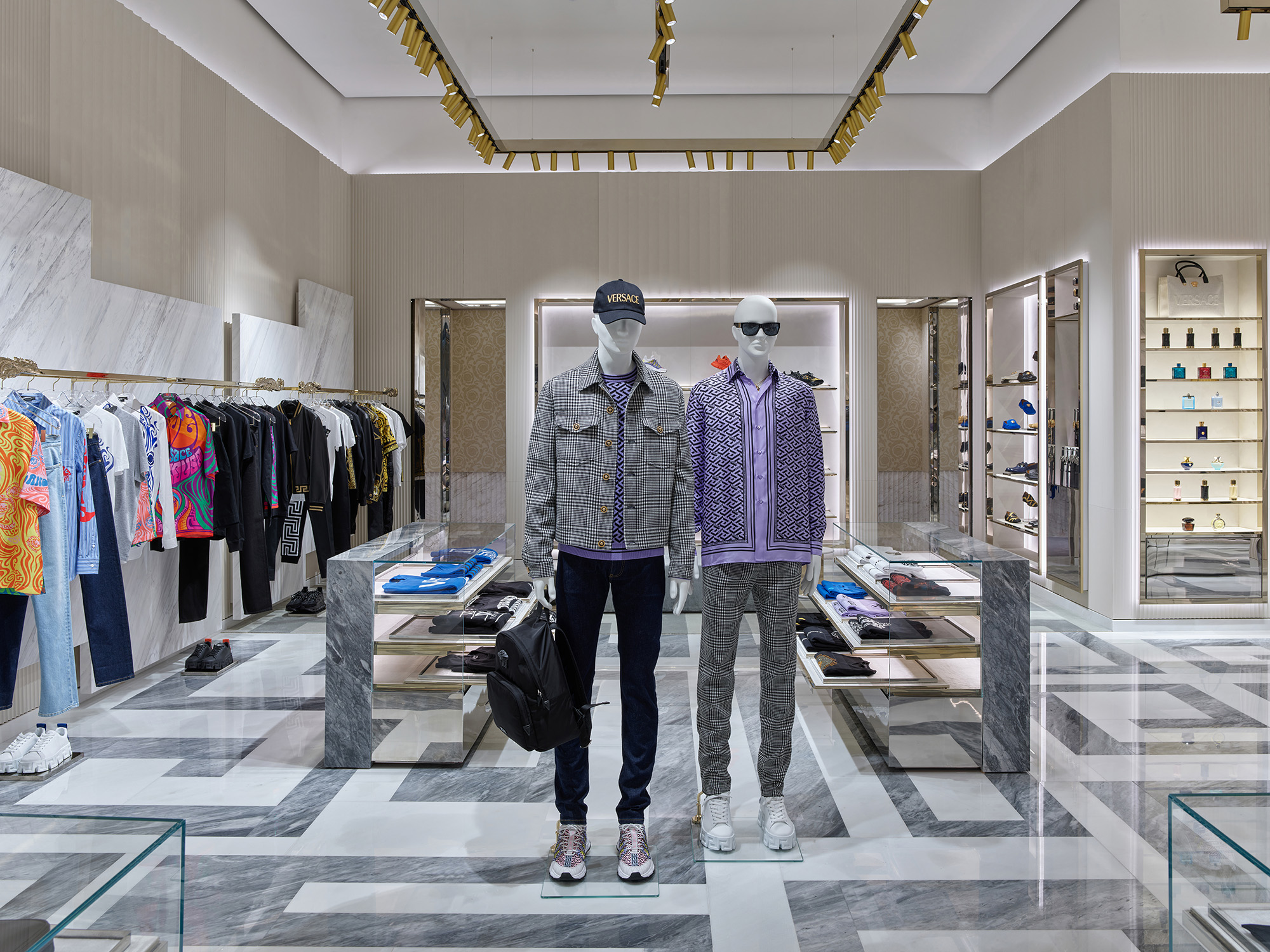
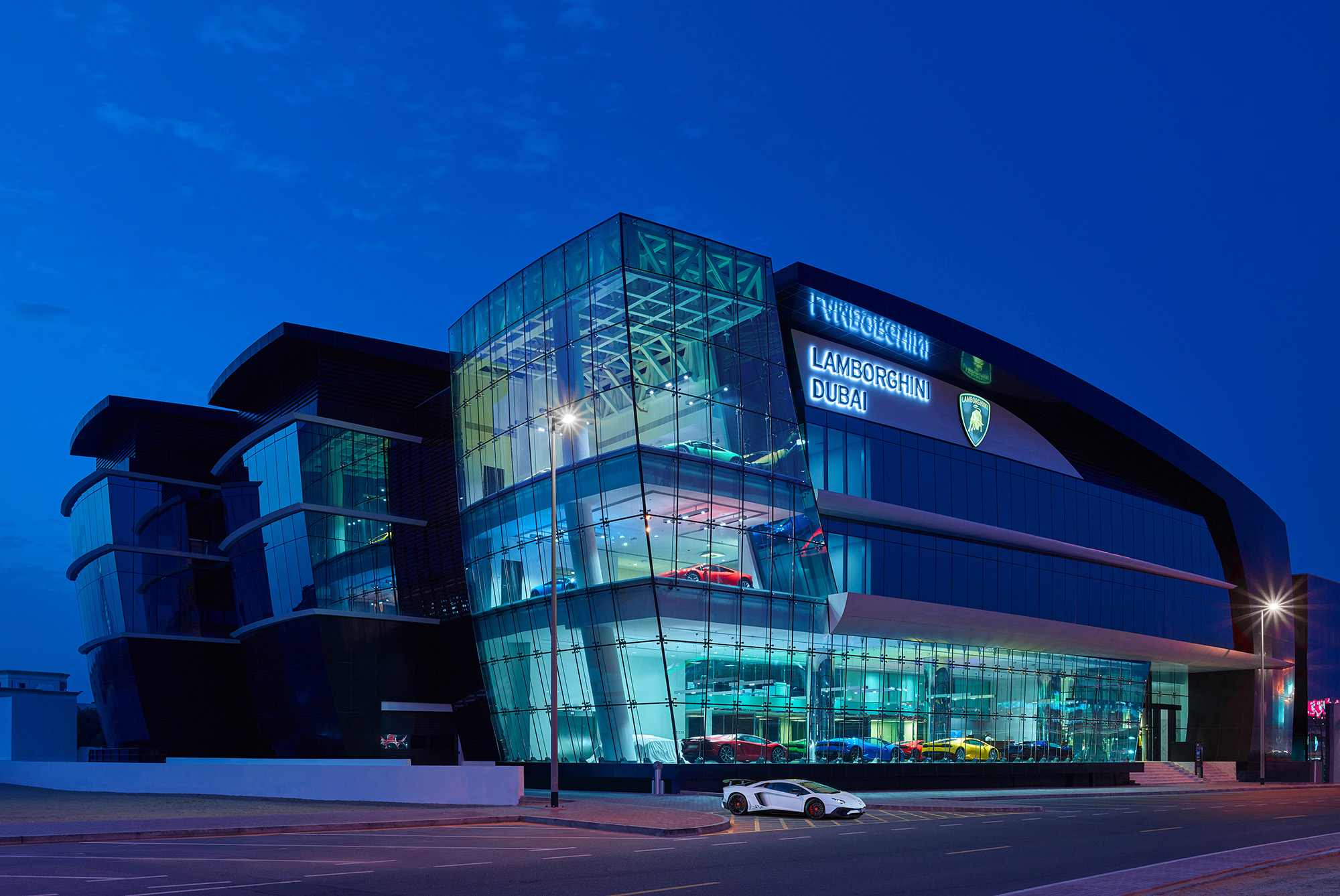
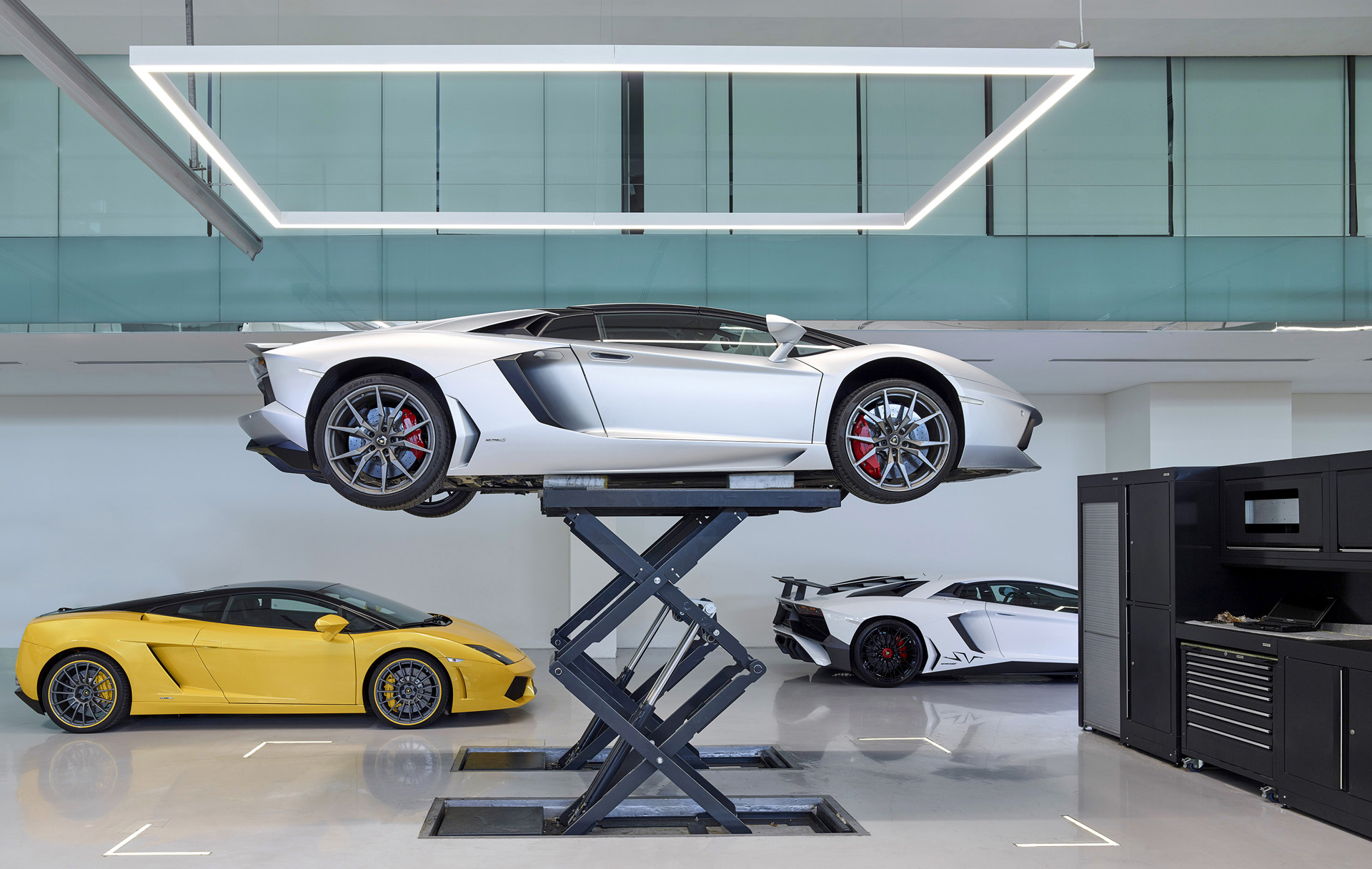
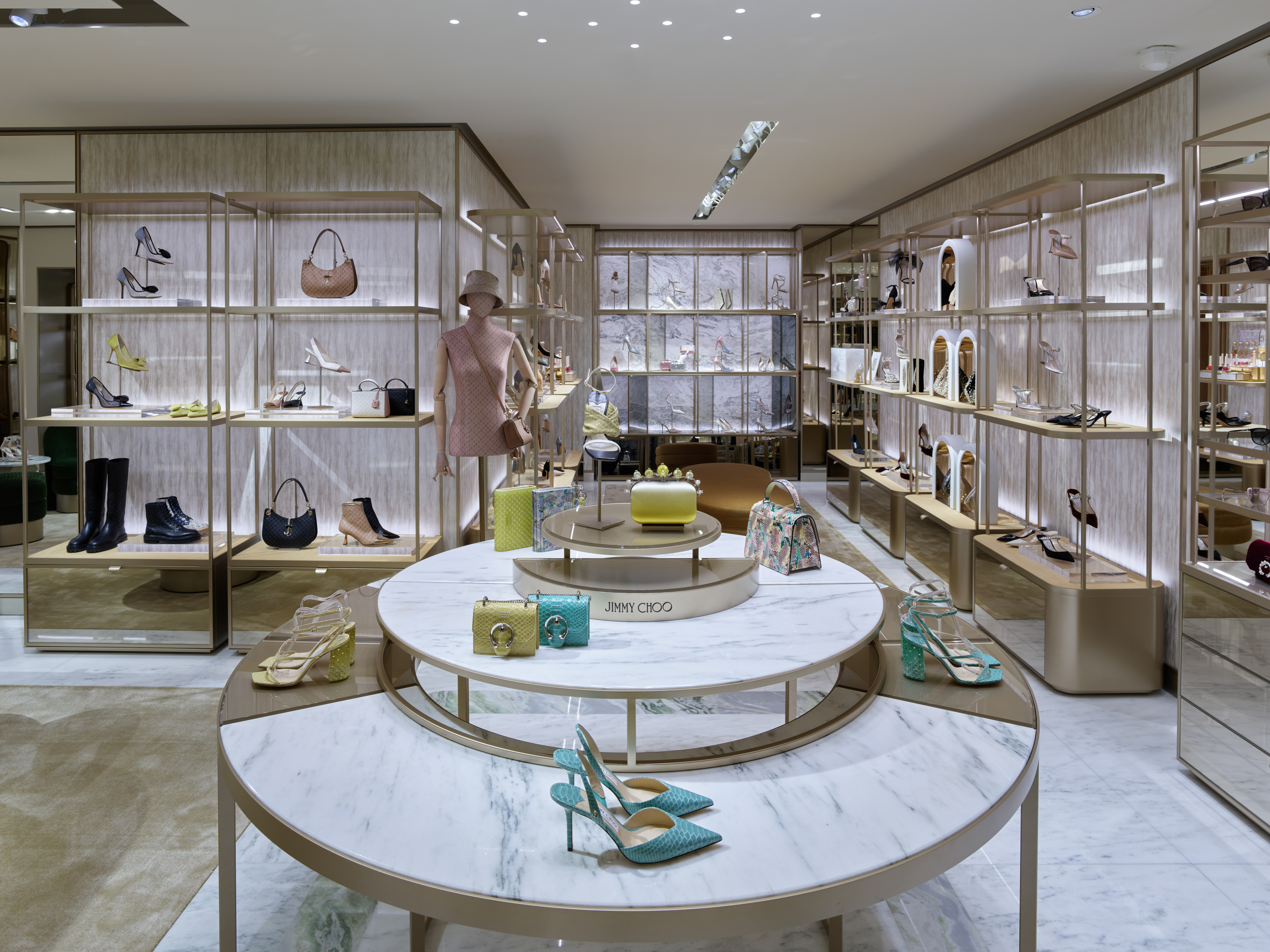
Jonathan Taylor is a travelling photographer. His commercial work for big corporate clients like McDonalds, Jimmy Choo, Christian Dior and Primark leads him all over the globe. Often at night, or in the early hours of the morning, Jonathan will be there to capture the perfect retail spaces, before they are opened to the public. Being in these diverse and often exotic locations he will often take the opportunity to do some non-commissioned work on his lifelong passion of cars, for which he has built up a substantial portfolio.

© Jonathan Taylor

Cloud 9 Photography is the Leeds based company that Jonathan runs with his wife Zarina. They’ve been in the Architectural Photography Industry for over 30 years now and have developed a particular specialism in retail, working for some of the world’s top fashion brands, who want to rest assured that their boutiques are captured to the same exacting standards as employed in their products and store construction. Jonathan is a keen advocate of the technical camera. We’re proud that he’s been using one of ours for over a decade.

“There are many reasons I work with a technical camera and Phase One back, but I guess the first reason is image quality. This is sometimes hard to get across to people, but I like to describe what you get on screen as looking like the actual texture of a subject rather than a photograph of the subject. So much detail is lost by 35mm that even when viewed at screen size Phase files have much more life to them.” For a photographer like Jonathan, there’s also a place for 35mm gear. He does own an extensive range of Canon equipment, but whenever he’s got the time, he’ll prefer to shoot with the Cambo. Being an experienced photographer, very often he will find that time to use the tech cam.

“The technical camera allows me to stitch perfectly, play with the plane of focus and most importantly adjust the perspective and shape of architectural spaces. Whilst 35mm shift lenses may also give you this control, it is so much more precise on my Cambo.”     

© Jonathan Taylor

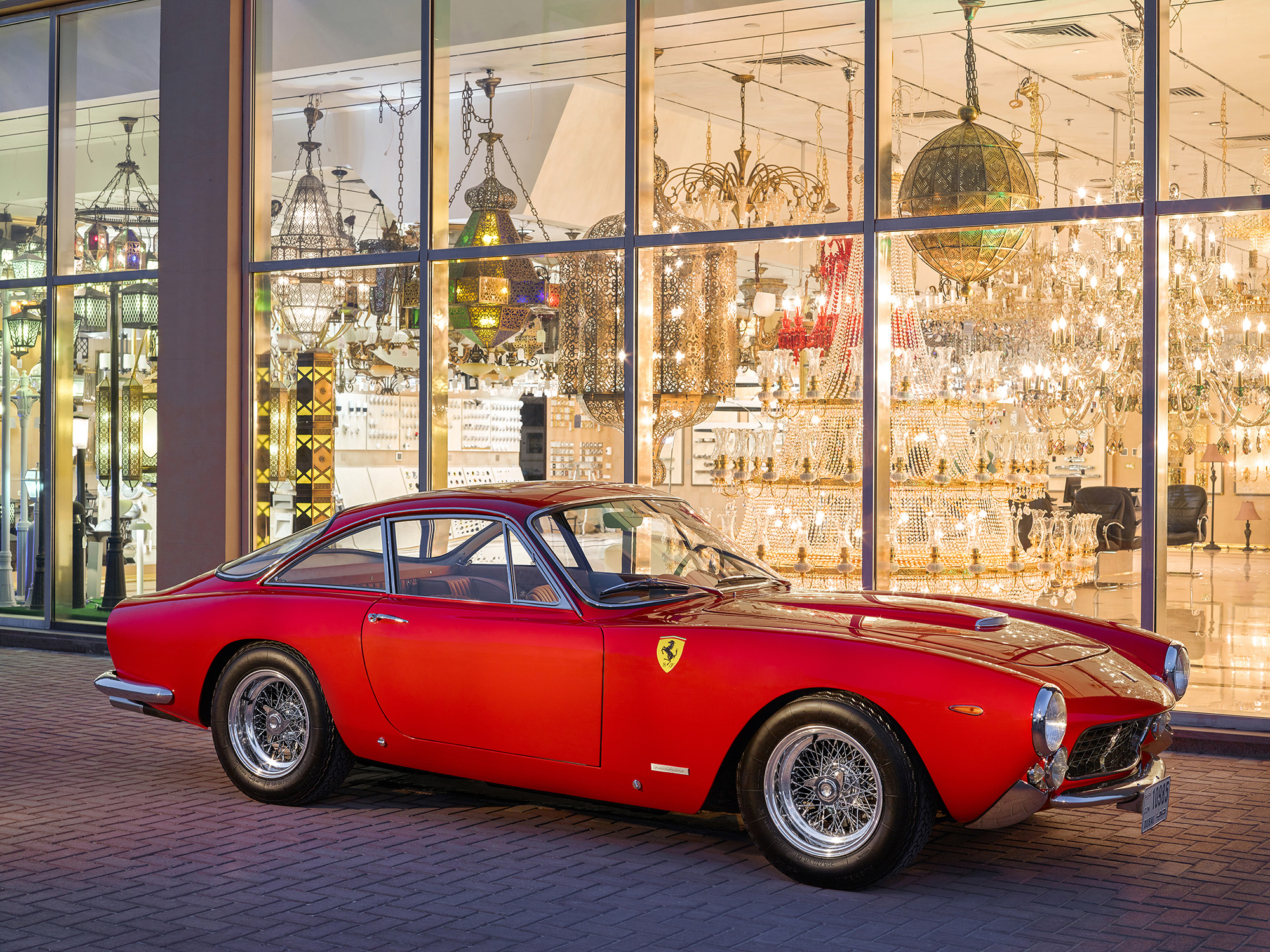
March 2014 we had Jonathan at our Photography Show booth, where he launched his book Cars of Cuba. Indeed, a topic hard to combine with commercial assignments. That’s a bit different about the book he has just published, titled Cars of the Emirates. Some of the photographs in there were made right before and after doing a presentation at the Phase One Stand Out event in Dubai, 2016. After that, his work must have led him to The Emirates at least twenty times. And it was never the same as it was during a previous visit.

Due to the Covid lockdowns and lots of commercial work, the Cars of the Emirates project has only just been finalised. December 2023 sees the images exhibited in Dubai at two prestigious car showrooms, Tomini Classics and Pupil of Fate. With prints up to 2 meters wide, the quality of the Phase One 150mp files shot with Rodenstock lenses on the Cambo, will really come into their own.

© Jonathan Taylor

Jonathan has always kept his automotive photography as a personal diversion from his day-to-day work on the high street. Thus he’s entirely free to explore his own artistic and aesthetic ideas. Whereas a lot of car photography nowadays is done with CGI and a big team with art directors and marketing executives, Jonathan prefers to keep his automotive photography as pure as possible. Usually, he works with just one assistant and a single Profoto head, maybe adding a reflector or two.

The secret to his images is scouting the right cars and locations. He will always be on the look out for the locations, often driving for hours around a city, recording the light direction and the possibilities of parking a supercar. The cars are sourced through his extensive network on social media and then paired with appropriate locations. This is very much a labour of love, but one that he uses to enhance his profile among his clients in the world of retail.

© Jonathan Taylor
Posted in General | Tagged , , , , , , , | Leave a comment

The missing link

The use of a Mirrorless camera body on a Cambo Actus view camera gives access to a vast choice of lenses. Since most cameras have an in-body focal plane shutter, you’re not limited to leaf shutter lenses. We offer our ever expanding range of Actar lenses, new lenses from Rodenstock and adapters for many legacy lenses. The latter including several medium format systems.

There was however a gap: A 35mm lens suitable for use with cameras like Fujifilm’s GFX-100s. Yes, we’ve got this adapter that enables the use of 35mm lenses from Pentax’ 645 system. Highly valued. There’s also a rebuilt of the Contax 645’s Carl Zeiss Distagon-35. Nice, but it requires a pre-owned lens, which is getting harder to find. Not in the least due to our activities.

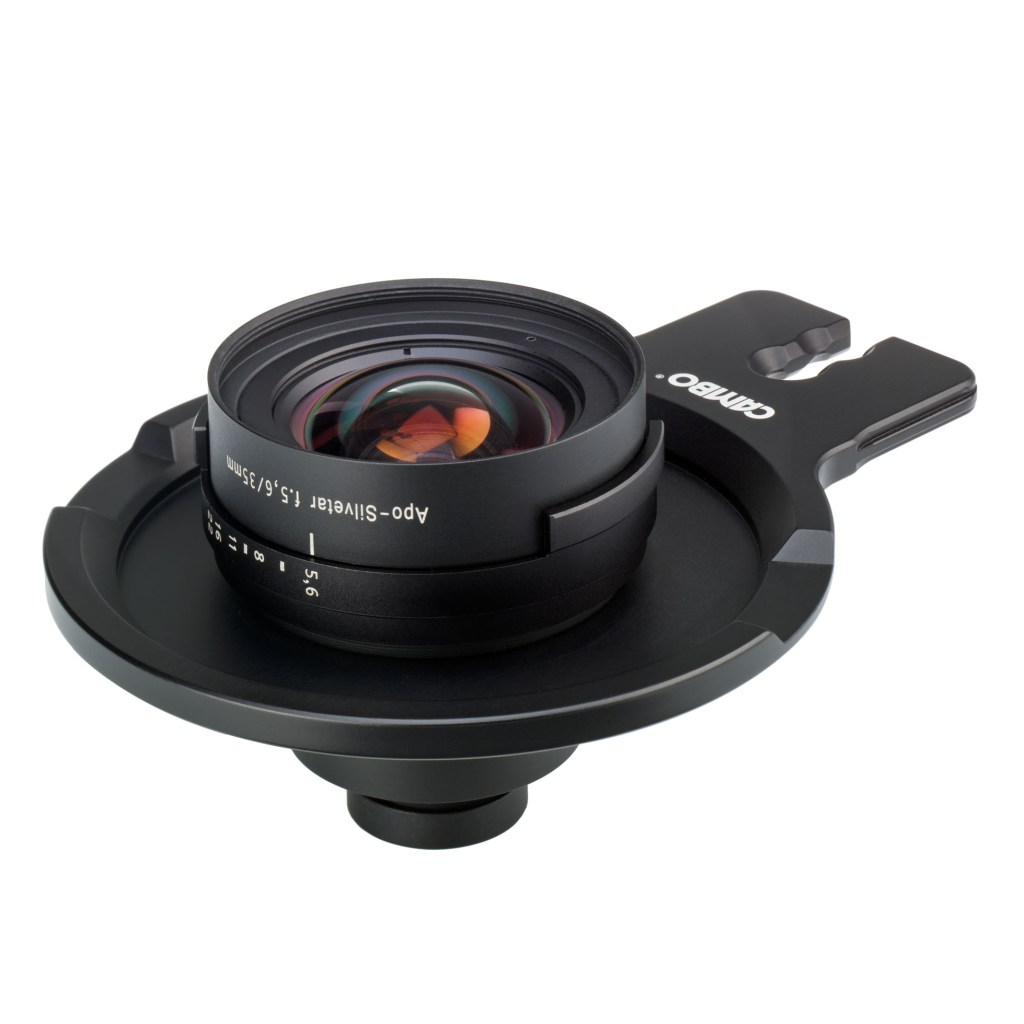
Help was on the way though.This is a Cambo lens plate but credit where credit is due: The lens is Silvestri’s Silvetar 5.6/35mm. We were pretty pleased when one of our dealer informed us, that they had already supplied several to Cambo owners.

The specs are promising: The Silvetar has a long (65.4) Flange-Focal distance and a small rear element. That’s what you need when using it with anything other than a digital back. The image circle is specified as 75.6mm. That does not only suffice for cameras like the GFX-100s and the X2D, it still enables a reasonable bit of movement when using the larger sensor in Phase One’s IQ3 and IQ4 backs.

We were eager to try this new lens. Silvestri in Italy kindly sent a demo.

The first striking thing when opening the box is the small size of the lens. It can be fitted to every m39 or #1 (41.7mm hole) lens plate. Good to have that choice.

Contax 4.0/35 and Silvetar 5.6/35. Here both focused at infinity.

It’s not for us to publish a test on other manufacturer’s products. We’re obviously curious to see how it performs and also wanted to compare it to the Distagon-35. The Silvetar has one major advantage over that lens: It’s available. Brand new, you don’t need to search eBay to find a good one. There are definitely differences in the look and feel of the images both lenses produce. The Silvetar shows more light fall-off at first glance. That cleans up nicely at f8 but can still benefit from an LCC. Very easy to make an LCC though, thanks to the tiny front element. The Silvetar’s image circle is large. Both lenses provide about 14mm of rise/fall when using a 33x44mm sensor in landscape orientation. For the Distagon that’s also the limit. The Silvetar can be shifted upto 20mm without showing any vignetting that can’t be corrected in post. However, the image quality towards the outer edge deteriorates when going beyond 15mm. This may still provide good results when there aren’t any fine details in that part of the image, like in the sky above a building or landscape.

In case you’ll be in New York the 6th or 7th September, we’ll be happy to welcome you on our booth. The Silvetar will be available for a demo on one of our view cameras.

Silvetar 5.6/35 left Distagon 35 at the right
Posted in General | Leave a comment

Add a Cambo WRS Body to your XT for More Shift

By Steve Hendrix

The Phase One XT Camera represents a great innovation for technical camera photography. It features the X Shutter, which provides complete control of the lens shutter and aperture from the rear interface of the IQ4 digital back, which allows even exposure bracketing, and other control features. And complete electronic integration, no cables, no wake up. However, due to its compact size, the XT Camera is limited to 12mm shift in any direction. Meanwhile, Cambo WRS technical cameras have been around for years and offer shift up to 20mm or 25mm. 

Dave’s prized #2 65 Anniversary Edition WRS 5000 (Not for Sale!)

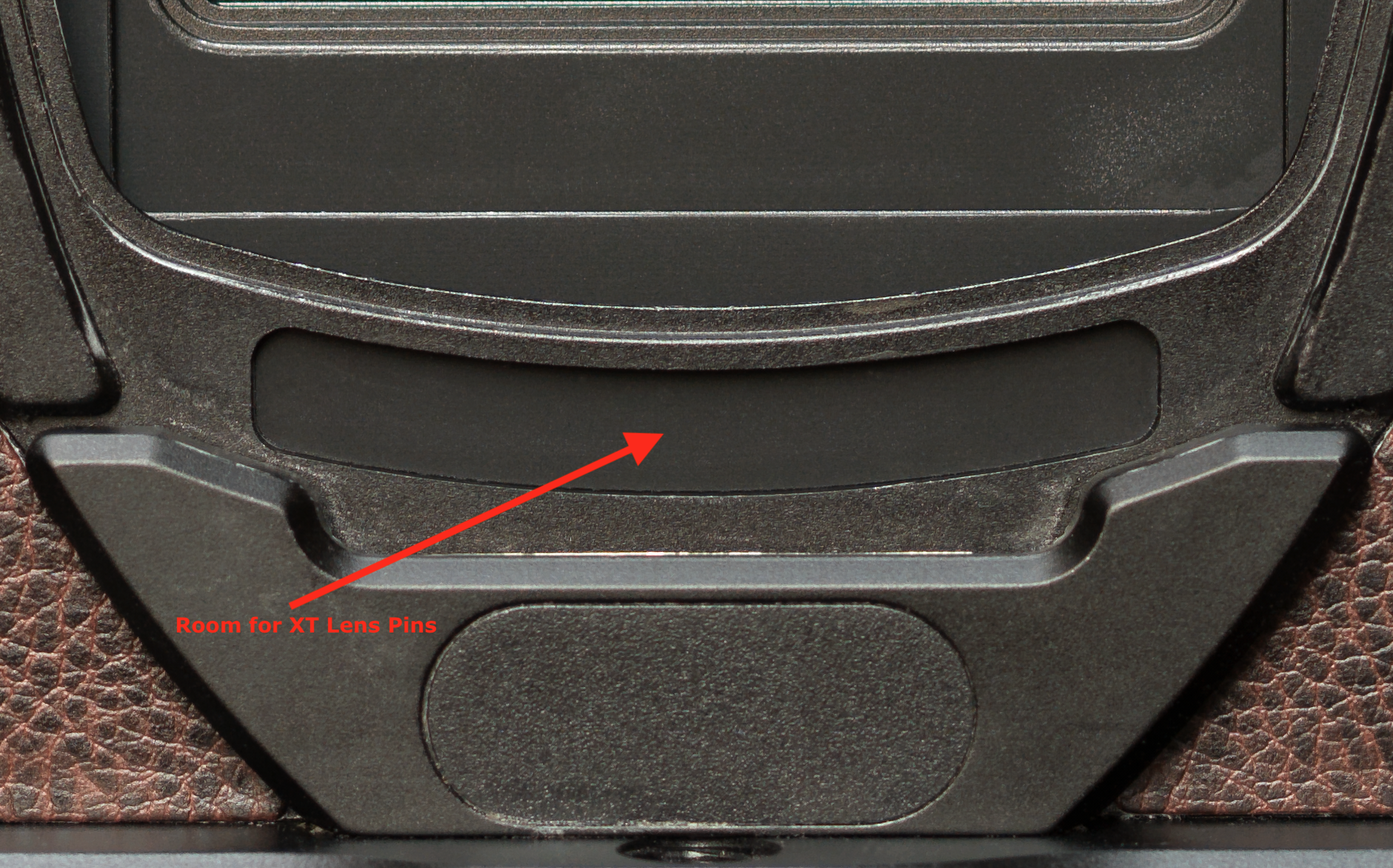
The lens interface for the Phase One XT lenses shares the same mount as the Cambo WRS lens interface. Can an XT lens be used on a Cambo WRS technical camera? Yes it can. Considering every lens in the current Rodenstock lineup except the 23HR-S and 32HR-W has extensive shift latitude well beyond 12mm, it seems a shame to not take full advantage of that.

Yes, with the Cambo there’s a cable. But all X Shutter lens operations can be controlled from the IQ4.

Rodenstock 40HR-W/50HR-W/70HR-W/90HR-SW/138HR-SW/180HR-S – all these lenses have more shift latitude than the XT Camera can accommodate.

This goes as well for legacy Schneider lenses, in which lenses from 43mm and beyond will also perform in excess of 12mm shift. And yet, the integration and the compact size and light weight are such strong features of the XT Camera.

So why not add a Cambo WRS/WRC body to your existing XT system? Have photographers ever relied upon only one camera? (rarely) If you already have a Cambo body and would like to modify it to accommodate XT lenses, this is done easily enough. Please contact us and we’ll take care of this process for you.

Cambo’s version of a Happy Meal.

A good example of an image that a Cambo WRS body opens up is the one below, which was taken with a Phase One IQ4 150 digital back on a Cambo WRS 1600 and the Rodenstock 90 HR-SW lens. This lens has a 120mm image circle, and can easily shift in excess of 30mm. The below capture was shifted 20mm. I could not have captured this with the XT camera and the 90mm lens, but having a modified Cambo body for these occasions allows that capture to happen.

Rodenstock 90 HR-SW, 20mm vertical shift.

By Steve Hendrix

Thanks for the read! If you have any questions, feel free to reach out.Steve Hendrix

404.543.8475 | steve@captureintegration.com

Posted in General | Leave a comment

Care and Conservation

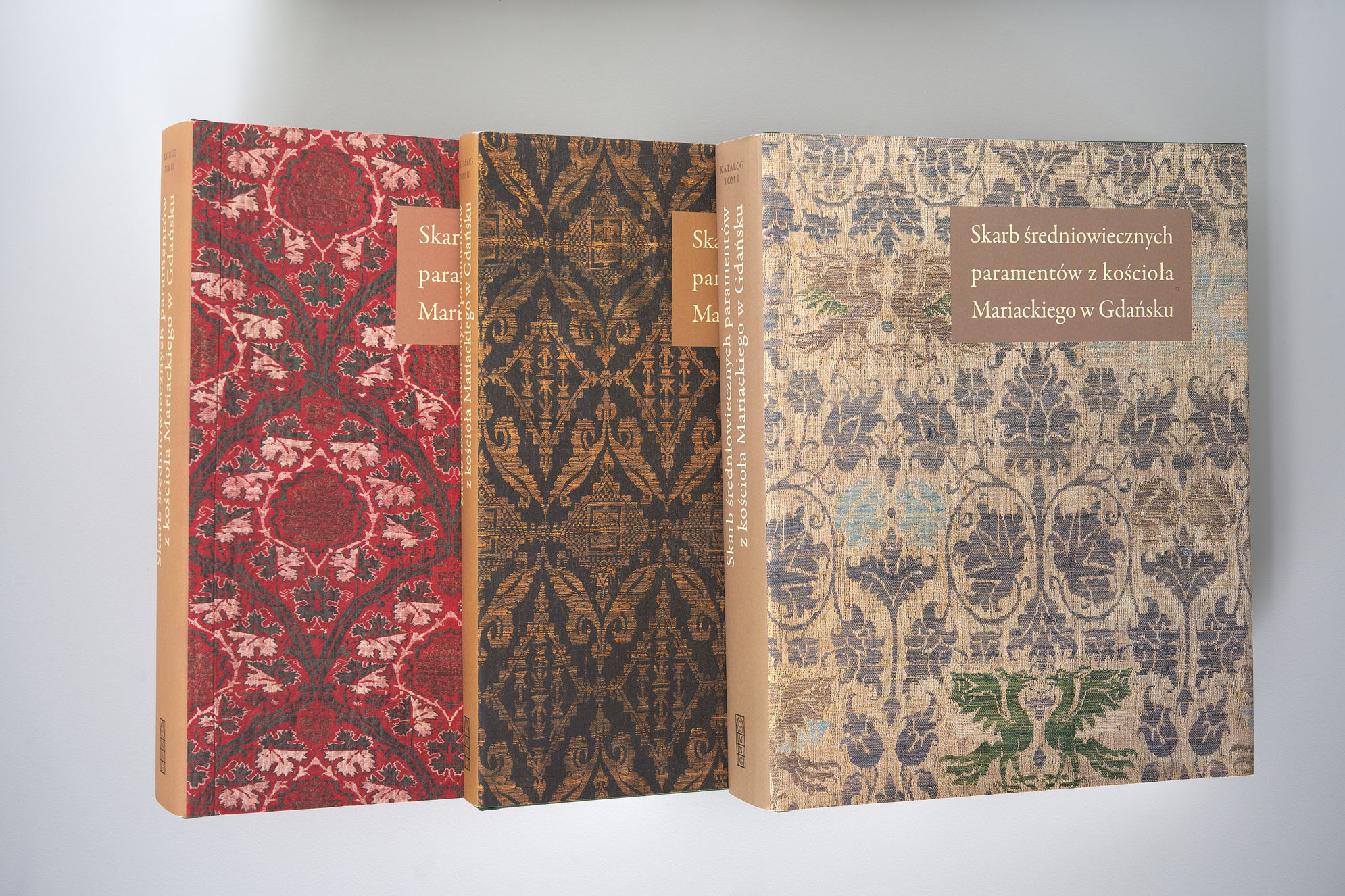
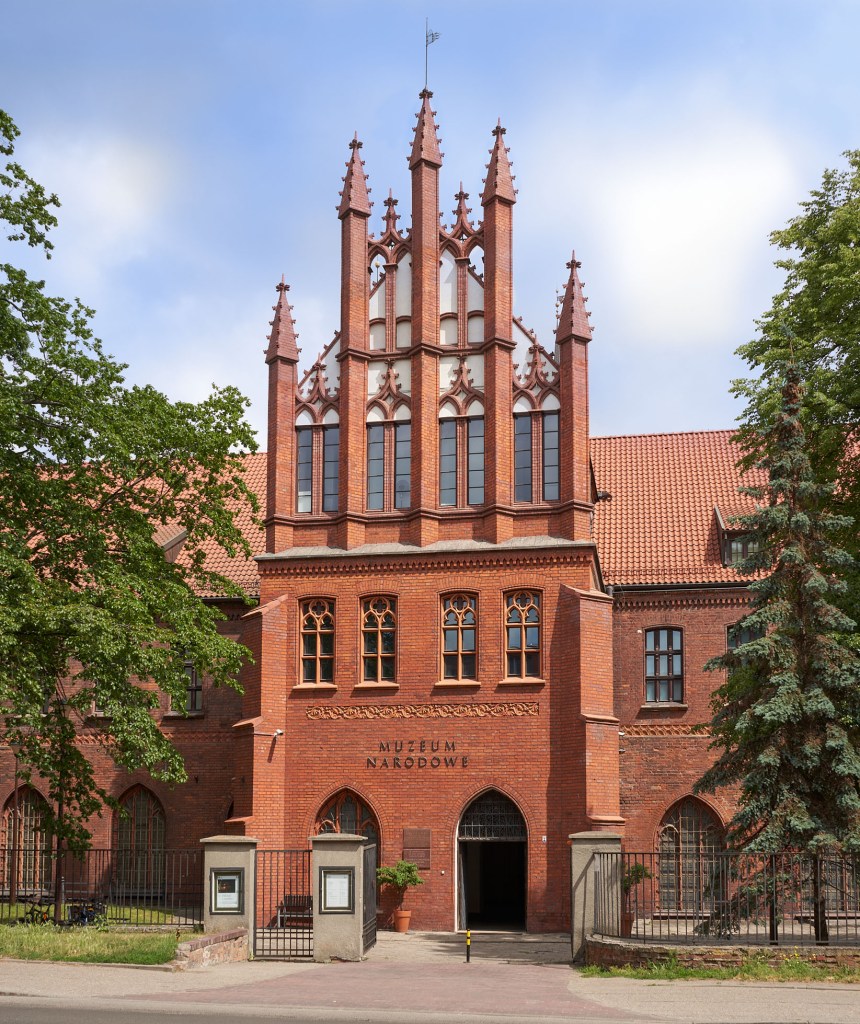
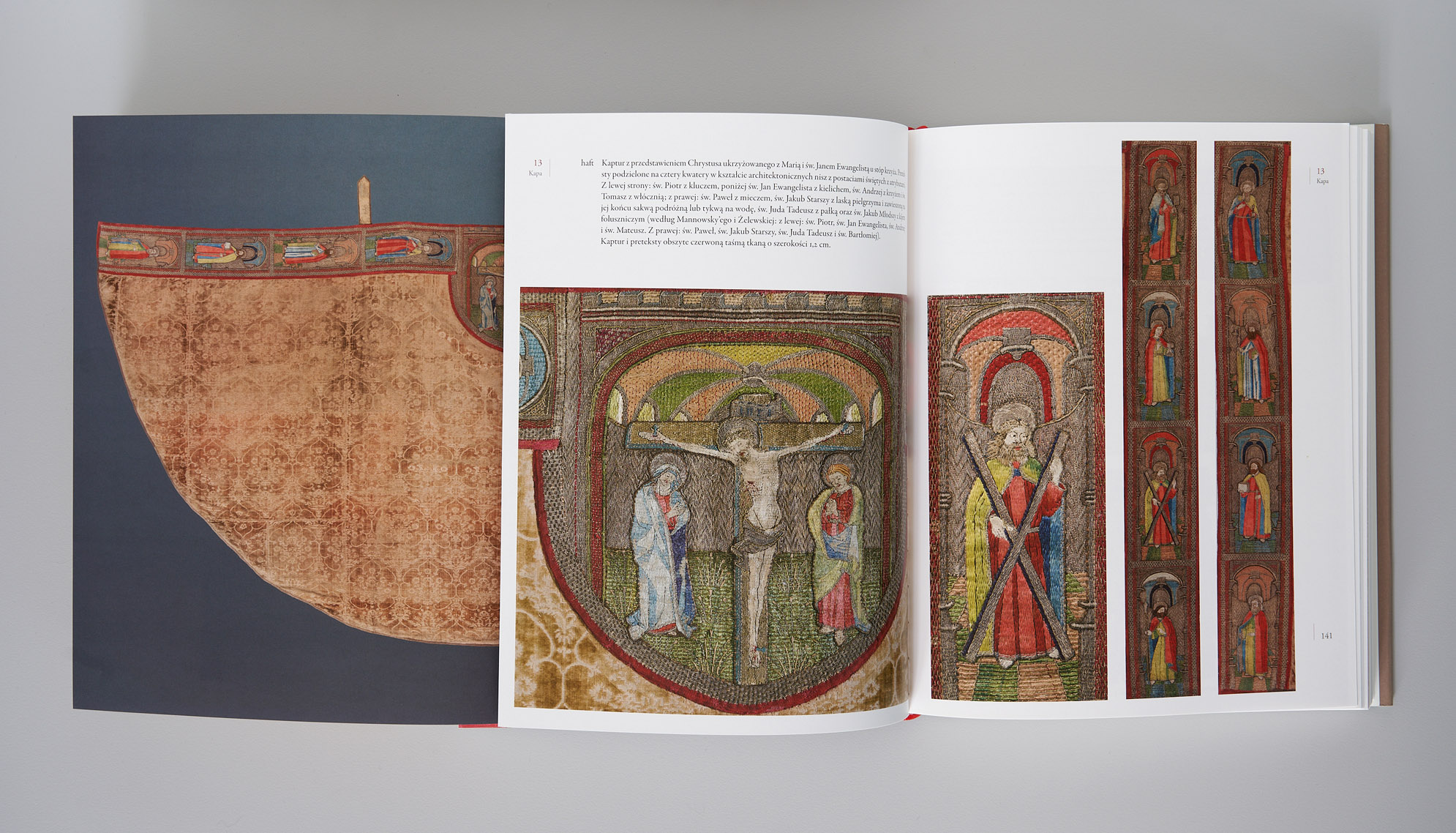
In our age of information the need for digitisation of cultural heritage and objects of art has immensely increased. An often time consuming task, which requires craftmanship, dedication and patience. A lot of patience. This three-volume scientific publication about medieval paraments (elements of liturgical garments) required 18 months of work at the photo studio of the National Museum in Gdansk, Poland.

Foto7 in Gliwice has been Cambo’s distributor in Poland since 1989. The pioneering years. During a visit I had the pleasure to sit down with Grzegorz Nosorowski, the National Museum of Gdansk’s photographer and digitisation expert. Grzegorz brought his own Cambo Actus, Sony A7rIV and an Image Engineering test target. At the Foto7 showroom he set  up the gear, checked alignment with a ZigAlign and started to test a few Actar lenses. By the conscientious and methodological approach one could tell here’s an experienced and skilled photographer at work.
Indeed Grzegorz Nosorowski can look back upon about forty years of professional experience. As a young man he was interested in artistic photography. As so many of us, he started to develop film and do his own printing in a make-shift darkroom. His business really started to flourish in the 1990’s. In those years Poland experienced a huge economical and political transformation. This resulted in rapid growth of the advertising market and a high demand for commercial photography. The country however didn’t have the photographic services – labs, retouching specialists, suppliers – photographers in Western-Europe were accustomed to. Grzegorz was running his own studio, shooting all kinds of subjects, from food to fashion and from architecture to aerial. He mainly worked on 4×5” film and did – had to do –  his own E6 developing. A service he soon started to offer to fellow photographers. Pioneering years indeed. It resulted in a professional laboratory with rack-and-tank machinery as a parallel business alongside the studio.

When the chemical process became too time consuming for most commercial applications, Grzegorz closed down his lab and exclusively concentrated on photography. Being passionate about technical perfection and constantly looking into solutions for challenging tasks he gradually became the go-to photographer for the digitisation of artwork, manuscripts and old prints. After a period of freelance co-operation, the National Museum in Gdansk asked him to become their staff photographer.

Back to the medieval paraments. Not long after Grzegorz had joined the Museum’s staff, a curator brought these old and fragile items into the studio. Flat, no reflections. Initially it seemed an easy task. However, the interlaced yarns in the fabric had a pattern that interfered severly with the camera sensor’s matrix and the moiré effect became totally unacceptable. The only solution available at the time was to revert to a Phase One Powerphase FX scanning back connected to a Cambo 45 Repro-D.
The Cambo 45 Repro-D shown with a more contemporary Phase One back and X-shutter

The procedure came back to mind when just recently Grzegorz had to photograph a large scale painting on textile. This time a Cambo Actus was used, combined with a Sony A7r. Its pixel-shift mode ensured adequate resolution and avoided moiré. The Cambo MBX Stand provided the necessary stability. Grzegorz greatly values the Sony’s pixelshift solution when maximum tonal range and color accuracy is needed.

Photographers digitising our cultural heritage may not gain much public acclaim. There is however a large group of professionals working in this industry and in general they’re not averse to share their experiences and best practices. Grzegorz himself is a digitisation expert at the National Institute for Museums and Public Collections training and tutoring photographers around Poland.

More about the museum: Muzeum Narodowe w Gdańsku

Our partners in Poland: Foto7

Posted in General | Tagged , , , , , , , , , , | Leave a comment

Just tailor it to your needs

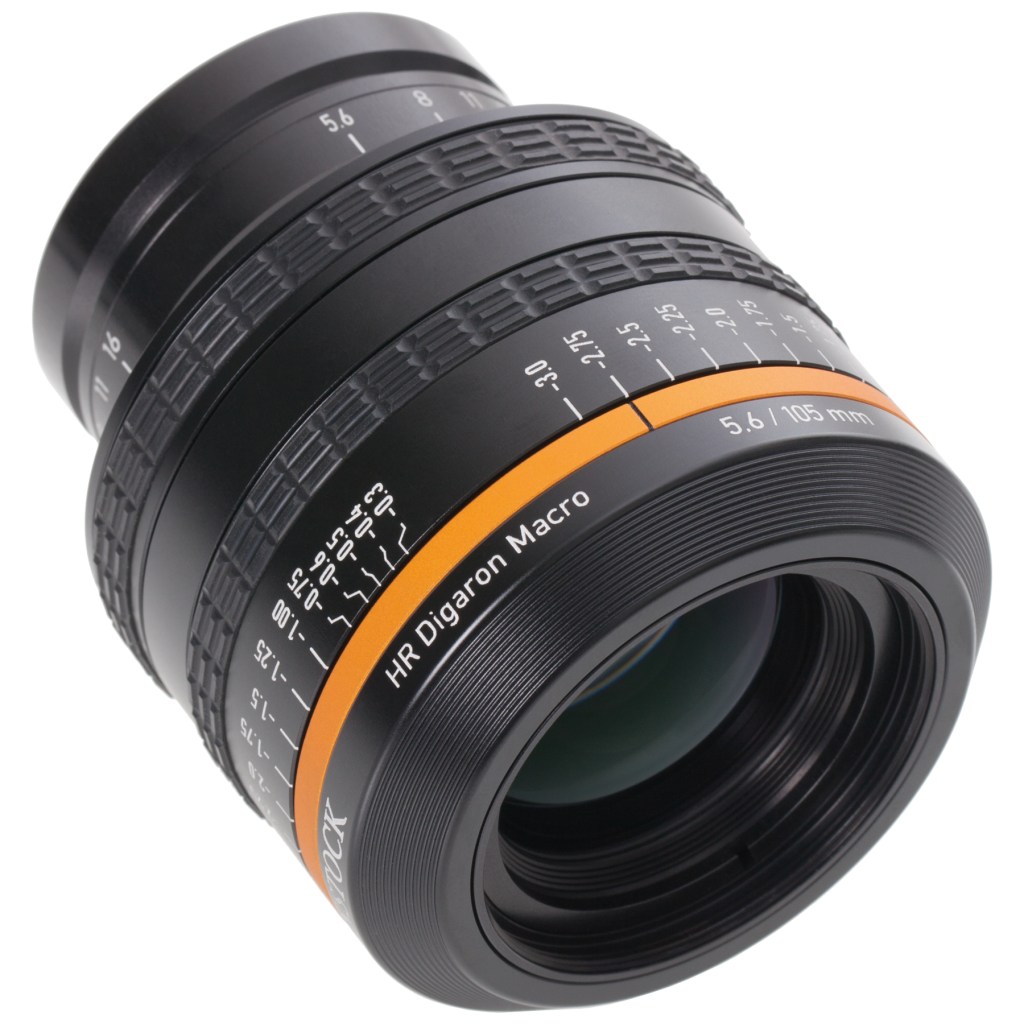
Sometimes one needs to be reminded that the obvious may not be that obvious to all. Dave Gallagher, owner of Capture Integration and a valued Cambo partner, loves the RPM-GFX system. He emphasised the need to clarify its use better. And more in particular the use with Rodenstock’s HR-Digaron 105 Macro. We took that to heart: This kit deserves some more love.

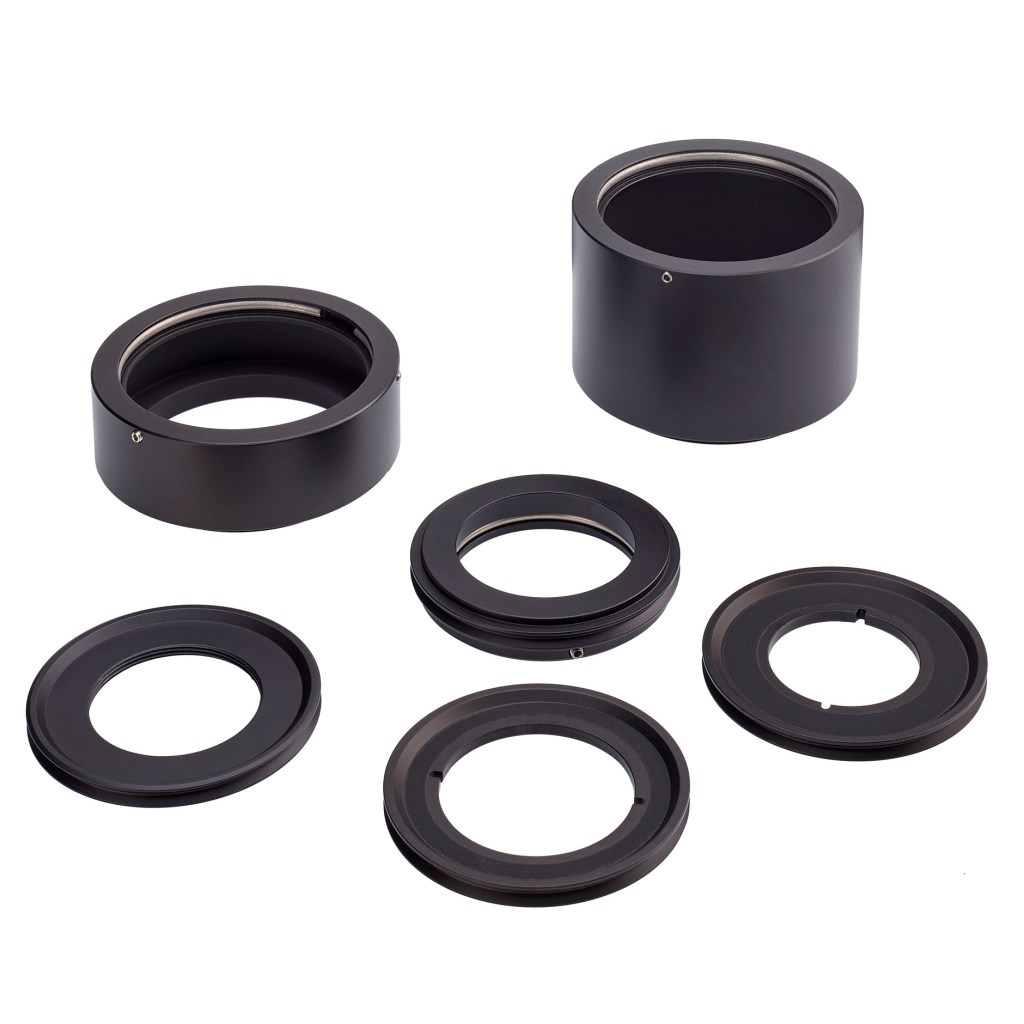
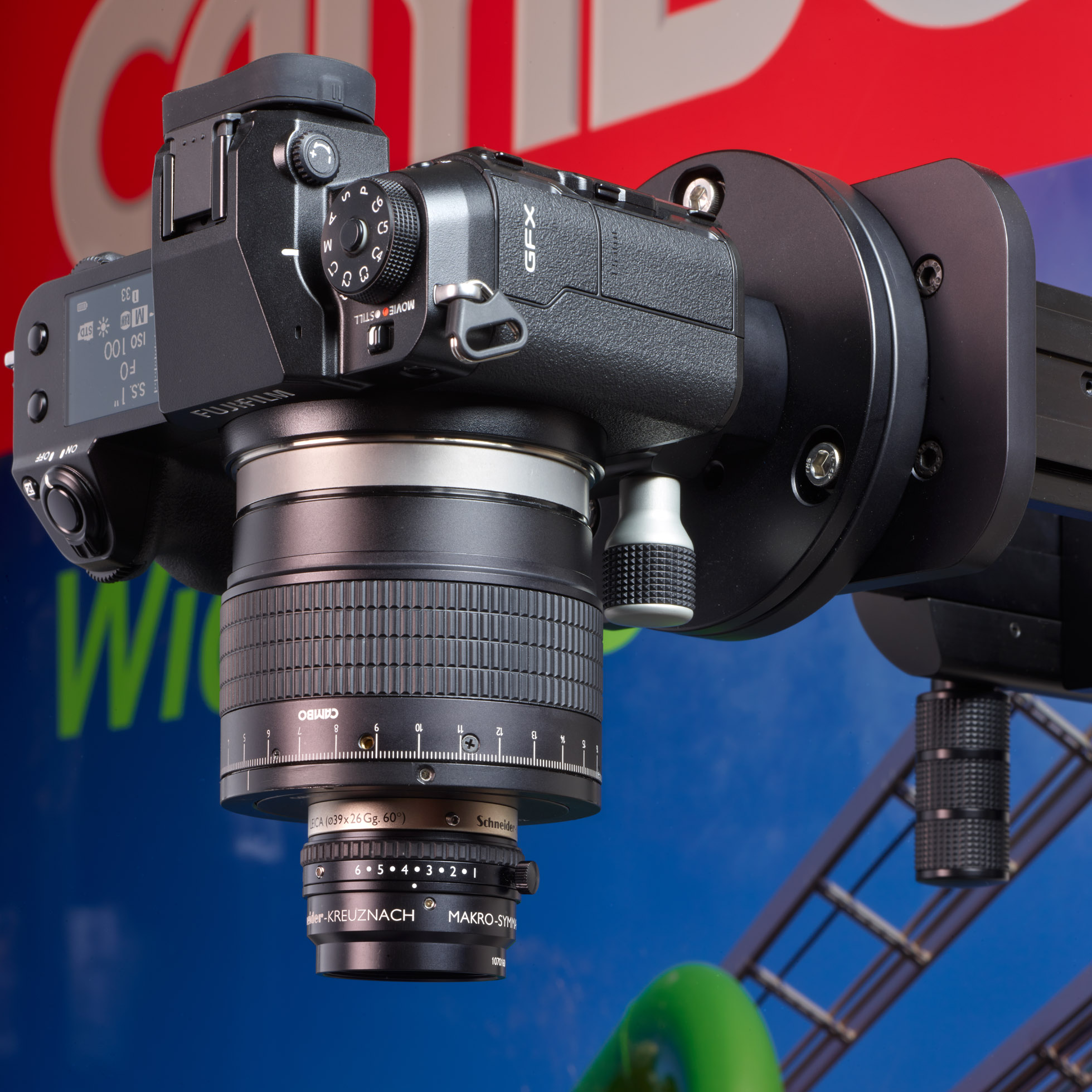
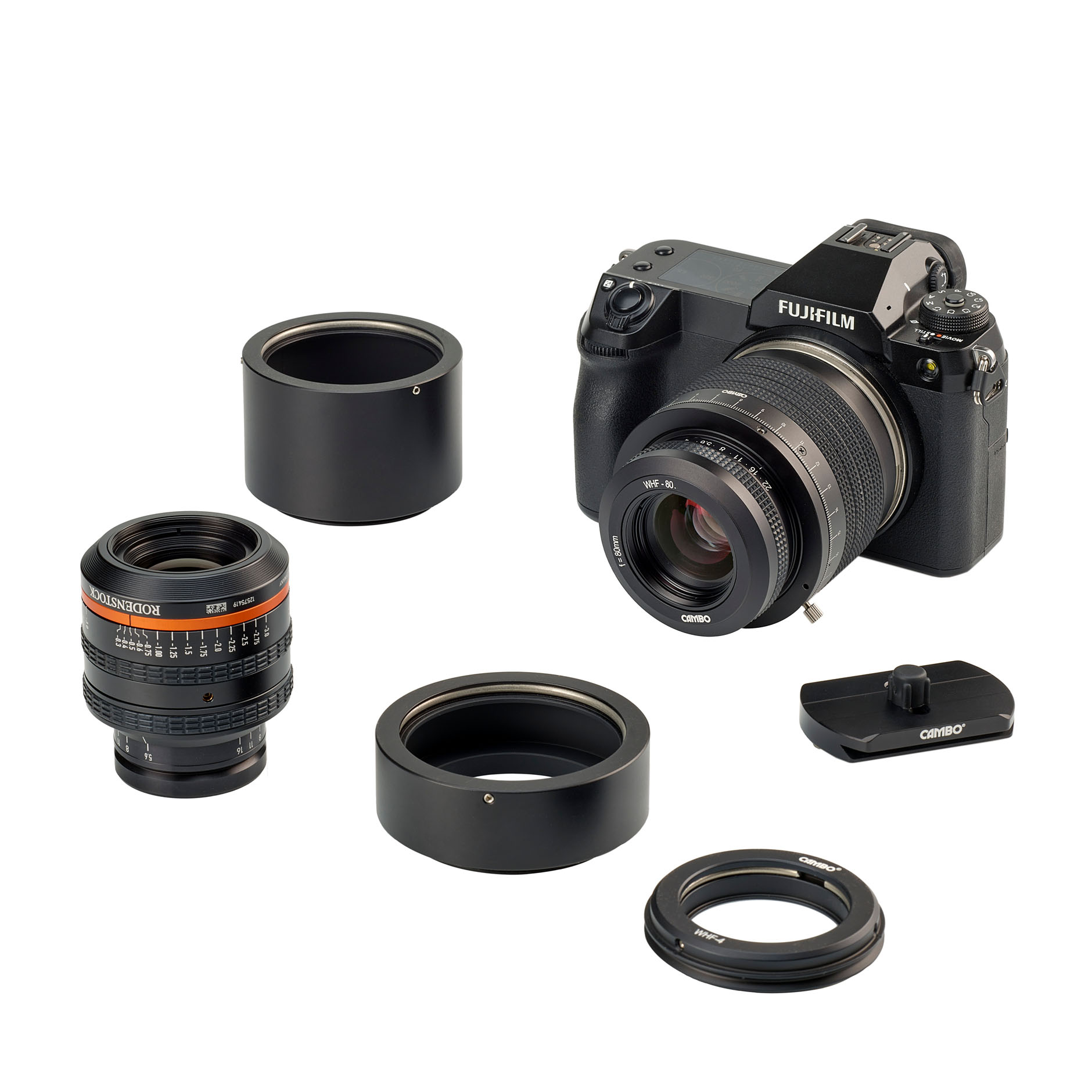
The Cambo RPM-GFX system is built around a helical focusing mount for use on the Fujifilm GFX. The front side accepts various lens plates and extension tubes. Cambo offer adapters for #0, #1, m39 and V-Groove lenses and extension tubes of 25 and 50mm. Since the helical itself has 25mm of travel, this enables any magnification required.

The HR-Digaron 105 Macro really is what its designation suggests: A dedicated macro lens. Not recommendable for infinity. It shines in the 1:4 – 4:1 range.

It performs exceptionally well in the aformentioned magnification range. Unfortunately the documentation that comes with the lens is a bit sparse. Rodenstock has a manual online. But there are a few things to know before getting started. The lens comes with a tiny allen key. In the box its aperture and floating element – more about that later – are locked. Loosen both before use.

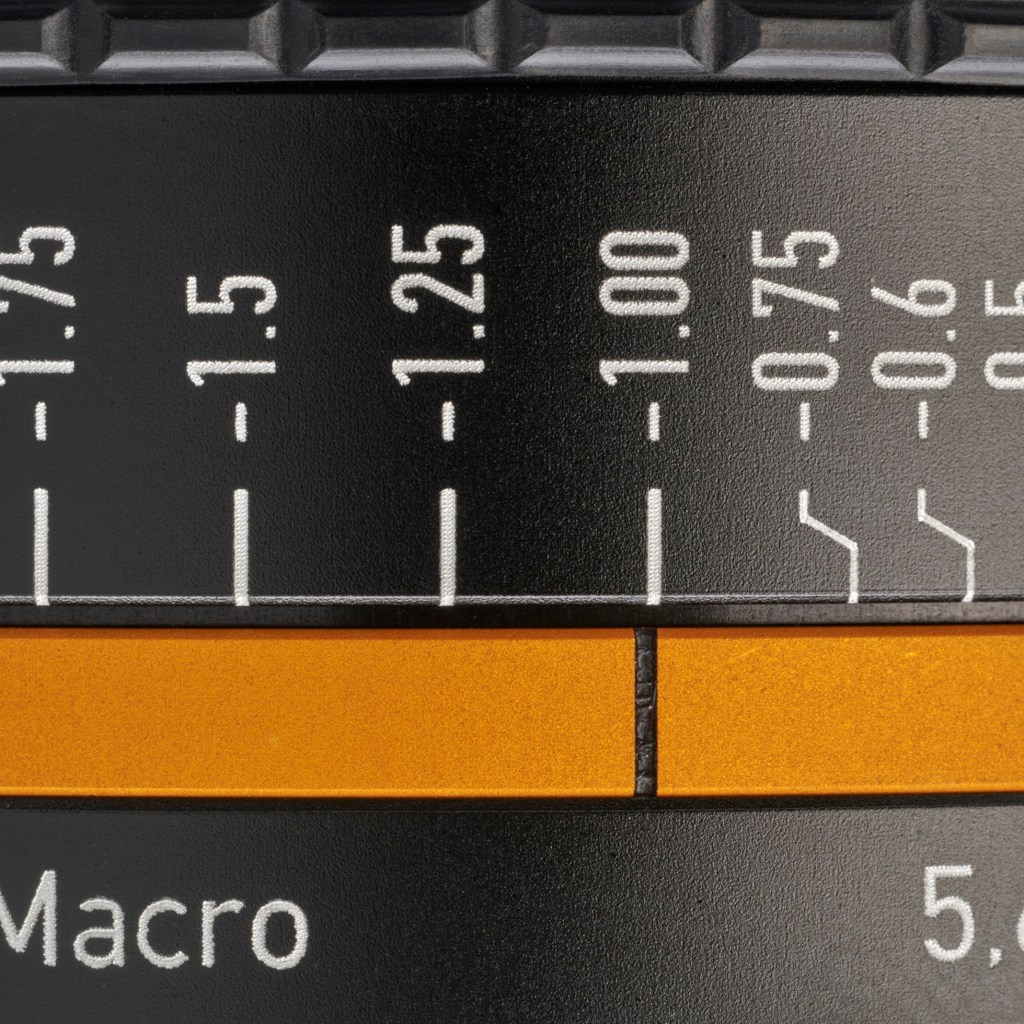
Most modern lenses have a floating element. It won’t bother you; the thing moves with the helical when focusing. However, the Rodenstock’s floating element is set manually to the desired magnification ration. Here it’s at 1:1.

It does make a huge difference. Some photographers report disappointing results with this lens and often the culprit is found here.

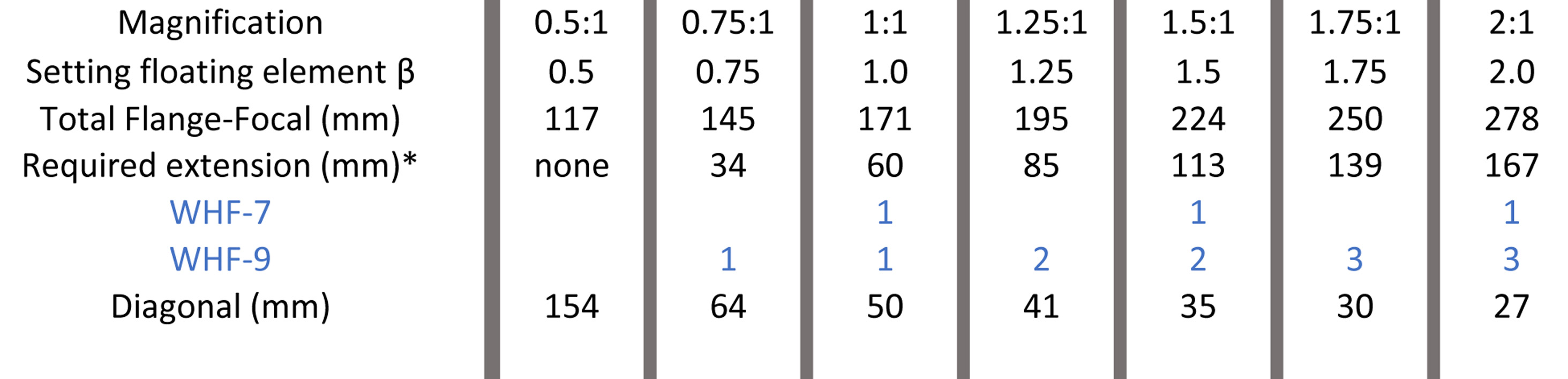
In order to focus properly at the needed magnification we may have to add one or more extension tubes. These WHF-7 (25mm) and WHF-9 (50mm) are stackable.

*This needs to be added to the Fuji’s Flange-Focal distance and the helical at its maximum extension.

To scan 35mm film with the aforementioned set-up you’d need 75 or 100mm of extension to meet the highest FADGI and Metamorfoze levels. 75mm would actually suffice and leaves some space to include a test target in the frame. 100mm is needed to fill the Fuji’s sensor completely.

The RPM-GFX can be used with many other lenses. Here a Schneider is fitted into its m39 mount.

The RPM-GFX leaflet and Cambo Repro brochure

Posted in General, Reprographic | Tagged , , , , , , , | 1 Comment

Taking Toronto

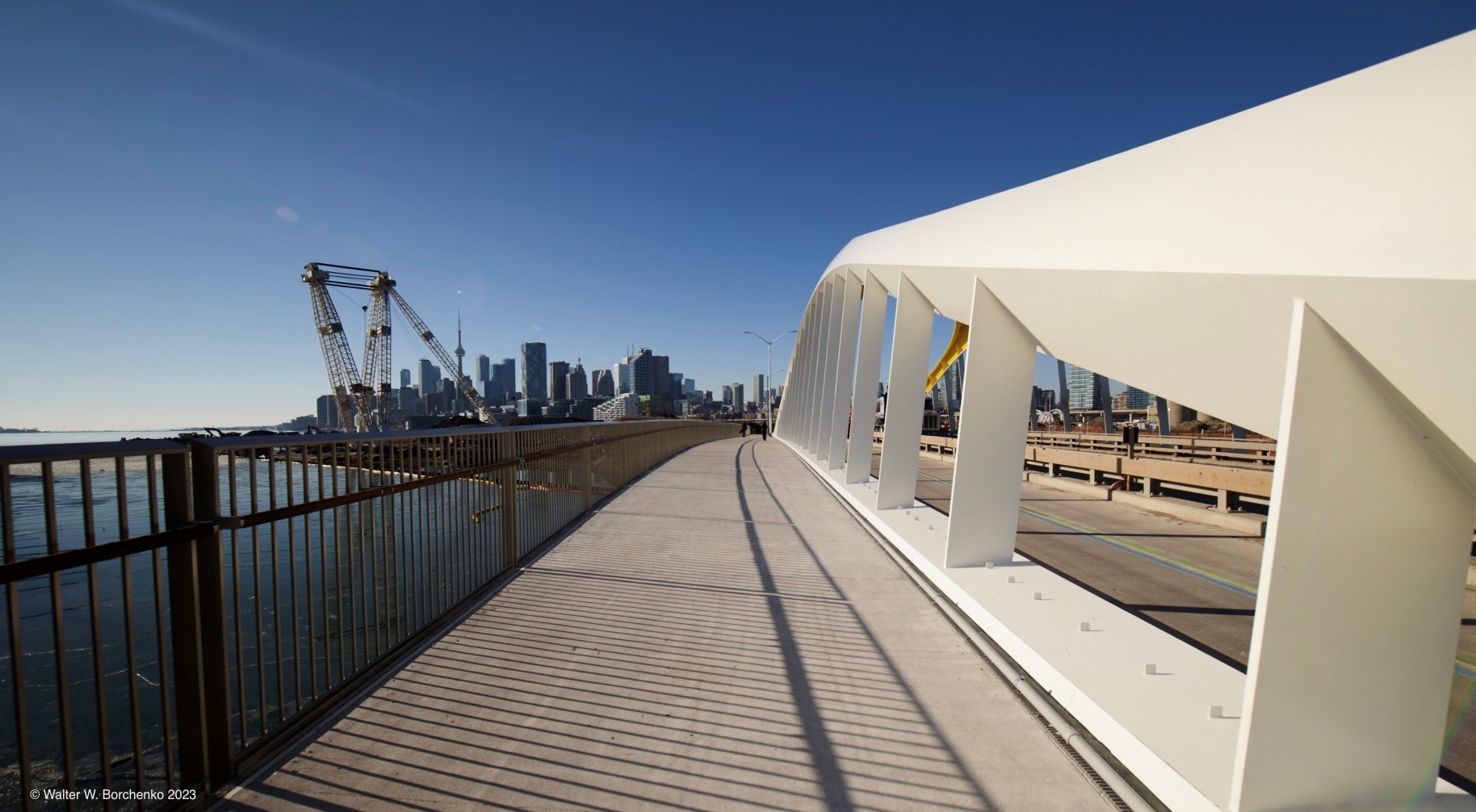
B3K Digital in Toronto have been Cambo’s partner in Canada for many years. Co-founder Walter Borchenko is a keen photographer himself. When we first spoke about the ability to combine a Nikon PC-19 with a Phase One IQ4 he immediately welcomed the idea: “Can’t wait to get my hands on it”.

So we knew what to do when the first batch of WRE-2019 lens panels was ready. One was reserved for Walter. Glad to hear that the lens has not disappointed him. “This really is a mind bending lens. Super impressive resolution”.

B3K first showed the lens on their annual Open House. It got a lot of interest from Phase One XT oweners, who would like to add something wider than the Digaron-23. During and after the Open House Walter took the lens out to take some test shots in Toronto.

©Walter Borchenko

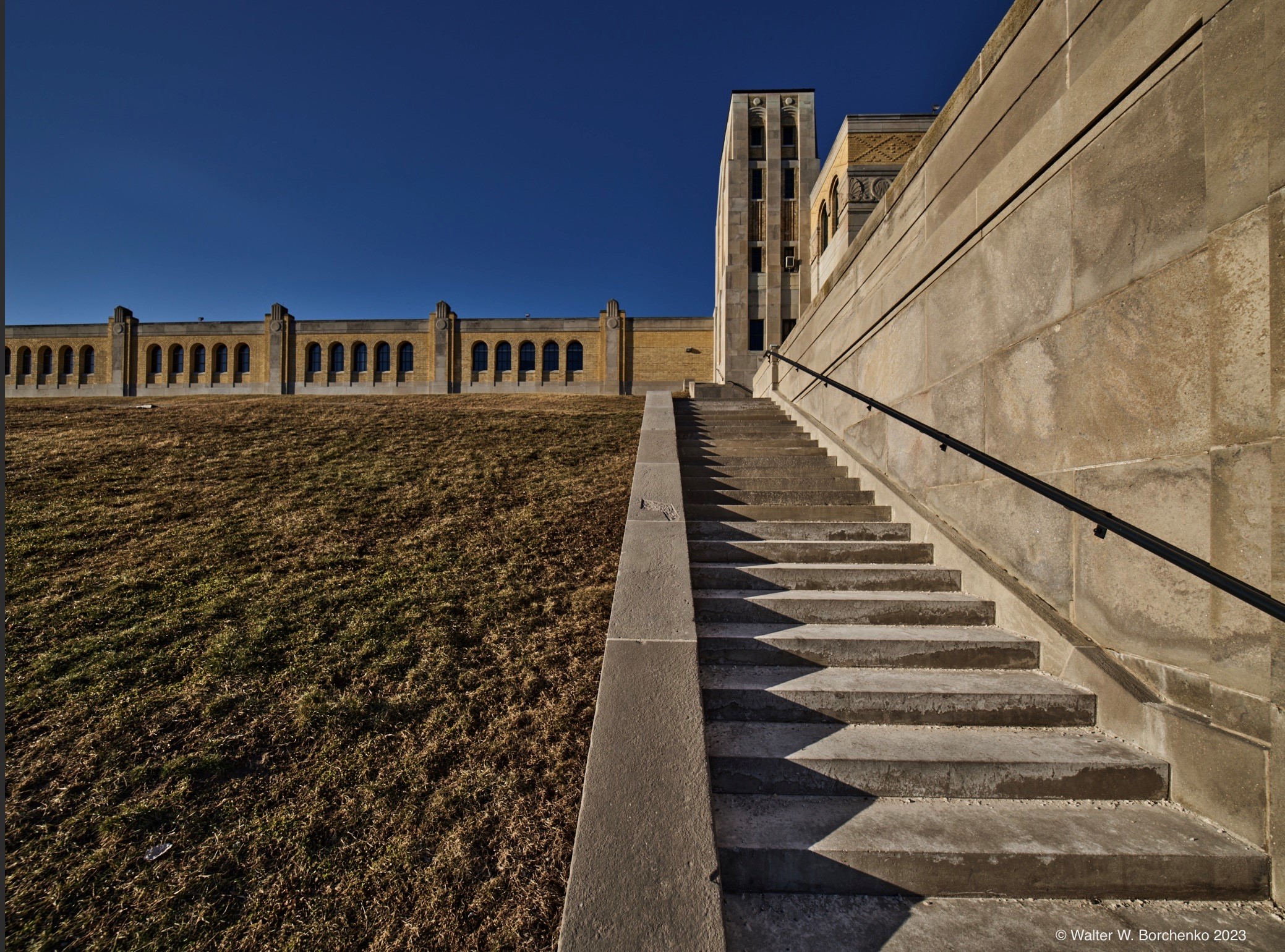
A crop from the image above. Walter: “On this image I shifted to the left about 10 mm to straighten the left side of the stairs. I also did a drop of about 5mm to get some sky above the building on the right”.

©Walter Borchenko

“This is the area of the CN tower at 100%. Detail is excellent”.

April 12th B3K will show the Cambo WRS tech cams and the new WRE-2019 in Montreal. We’re looking forward to see the images.

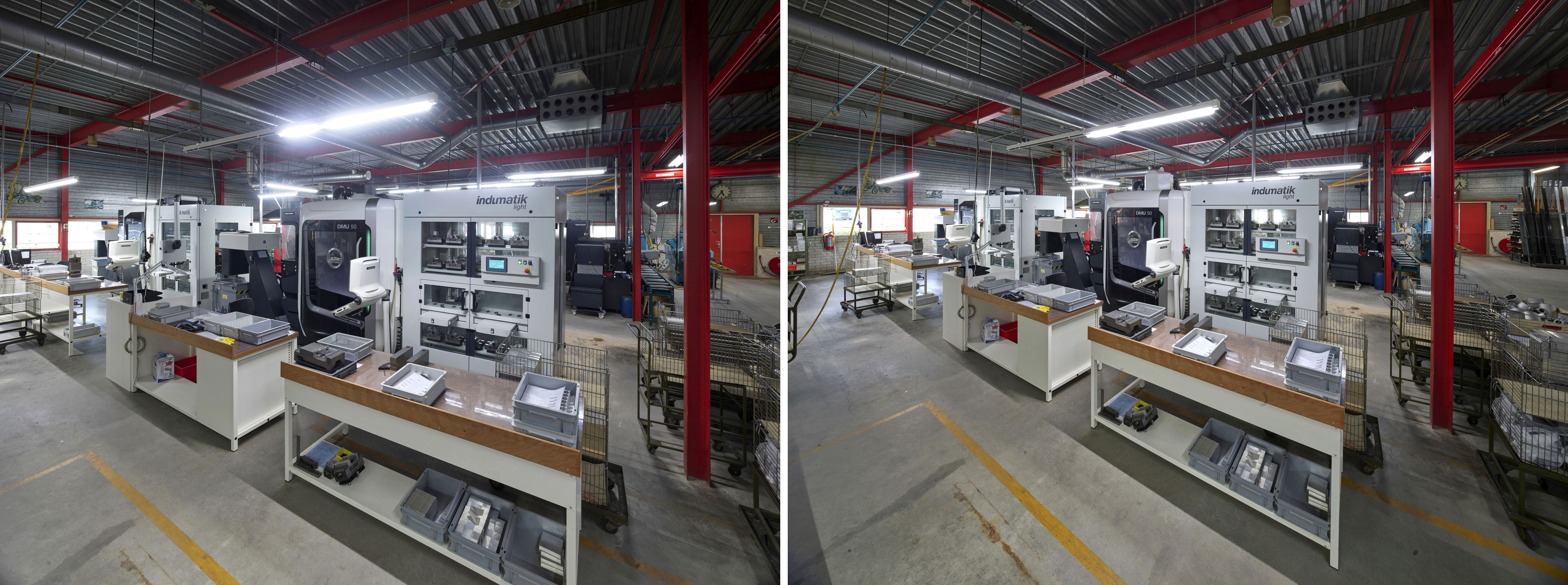
Not in Canada, but at Cambo in Kampen. Same POV, left a Digaron-23 and at the right the WRE-2019
Posted in Architecture, General, Landscape | Tagged , , , , , | Leave a comment

Dedicated to the job

Digitization is key to make and keep our cultural heritage accessible and to preserve it for the future. Since it’s a labour intensive task, you want to do it once and do it right.

Cambo RPS copystand with a Phase One IQ4 back and Rodenstock’s 138 Float. This set-up doesn’t leave much to be desired.

Standards like Metamorphosis and FADGI provide guidelines to ensure that all involved in the digitization process are on the same page. Depending on the object’s size and quality guidelines – not every application requires a FADGI 4-Star rating – one can simply calculate the amount of pixels required to meet the desired standard. And although the set-up shown above combines excellent quality with a very efficient workflow, not every archivist will need a 150mp digital back. However, every serious archival job does require good lenses. Or we may say: Purpose-built lenses.

A lens dedicated to archival work, only has to do one thing right. No fast aperture nor AF needed. Optimum quality within a given – mostly quite limited – magnification range is what it needs to provide. That’s where our RPM-System comes in. It’s a helical focusing mount with a Fujifilm GFX bayonet on one side and an exchangable lensplate on the other. It enables fitting of many (legacy) lenses. Like this Schneider Makro-Symmar, just to name one, which performs excellently when digitizing film. By adding spacers it’s set-up for the required magnification.The helical has a locking screw, the spacers are secured with screws as well. It’s pretty industrial and for good reasons; when the operator comes back from a coffee break, work can be resumed without worrying about focus.

A quote from the FADGI guidelines for digitizing cultural heritage materials: “As digital sensors become available in ever higher pixel counts, the quality of the lens becomes a critical factor in actual system resolution. It has reached the point where the resolution of digital cameras and scanners may be limited by the performance of the lens, and in some cases a theoretically perfect lens cannot match the resolution capability of available digital sensors. More pixels on the sensor may not relate to increased resolution in the digital file.” Another statement: “All lenses are designed and optimized for specific applications (…) lenses designed specifically for digital flat field imaging are best “.

The good thing is, there are plenty of those lenses available and you won’t always need the latest and greatest glass to yield good results. Cambo’s RPM helical provides the link between these (sometimes older) lenses and the aformentioned demanding modern sensors.

Posted in Archival, General, Reprographic | Tagged , , , , , | Leave a comment

Modern sensors and legacy lenses

Until a few decades ago, it seemed so obvious: Products of European photographic brands were manufactured in Europe. That’s changed for many. At Cambo however, we take pride in our own manufacturing facility in the small town of Kampen, The Netherlands. Here the parts for our view cameras, studio stands and other equipment are machined and assembled.

R&D, machining and assembly under one roof enable us to offer some unique options to our products. Like fitting legacy glass to the WRS line of cameras. Schneider discontinued the helical needed for this 180mm lens in 2016. We manufacture our own and add a few more features to offer an even broader range of lenses.

Scheider 120HM and Cambo WRS-5000
Some of these legacy lenses perform really well, even with the latest and greatest digital backs.
Posted in General, Leaf Digital Back, Reprographic, Studio, Wide RS | Tagged , , , , , | Leave a comment

Effortlessly rotating

Simultanteously with the Actus-MV view camera we introduced two new digital back adapters: ACDB-990 for use with the Phase One/Mamiya interface and ACDB-991 for Hasselblad V backs. These two adapters have the distinction of an integrated mechanism for the landscape/portrait rotation. No need to take off the digital back to rotate it 90°.

By the way, you won’t be left out in the cold if your digital back has another interface than the ones mentioned above. We still supply the well known adapters for other interfaces. Including the ones discontinued many years ago.

Posted in ACTUS, Cambo Ultima, food photography, General, Studio, Technical | Tagged , , , , , , , | Leave a comment